Torn between a brand‑new, amenity‑rich community and a tree‑lined, established street in Erie? You are not alone. Erie offers both, often within minutes of each other, which makes the choice exciting and a little complex. In this guide, you will learn the real differences in costs, amenities, taxes, and lifestyle so you can choose the fit that matches your priorities. Let’s dive in.
Why this choice matters in Erie
Erie sits northwest of Denver and east of the Front Range foothills, with town limits that span both Weld and Boulder counties. Always confirm county for a specific address because taxes and services can differ by location. The town has grown quickly, with a July 1, 2024 population estimate of 38,594 according to the U.S. Census QuickFacts, reflecting Erie’s steady demand and ongoing development. You can review the federal snapshot in the Census resource for context on local growth trends.
Market trackers often show typical Erie home values in the low to mid $700,000s in early 2026. That is a broad average. Prices vary widely between historic streets near downtown and larger master‑planned communities with new amenities. Your budget, tax profile, and must‑have features will guide where you look first.
New master‑planned communities
What you can expect
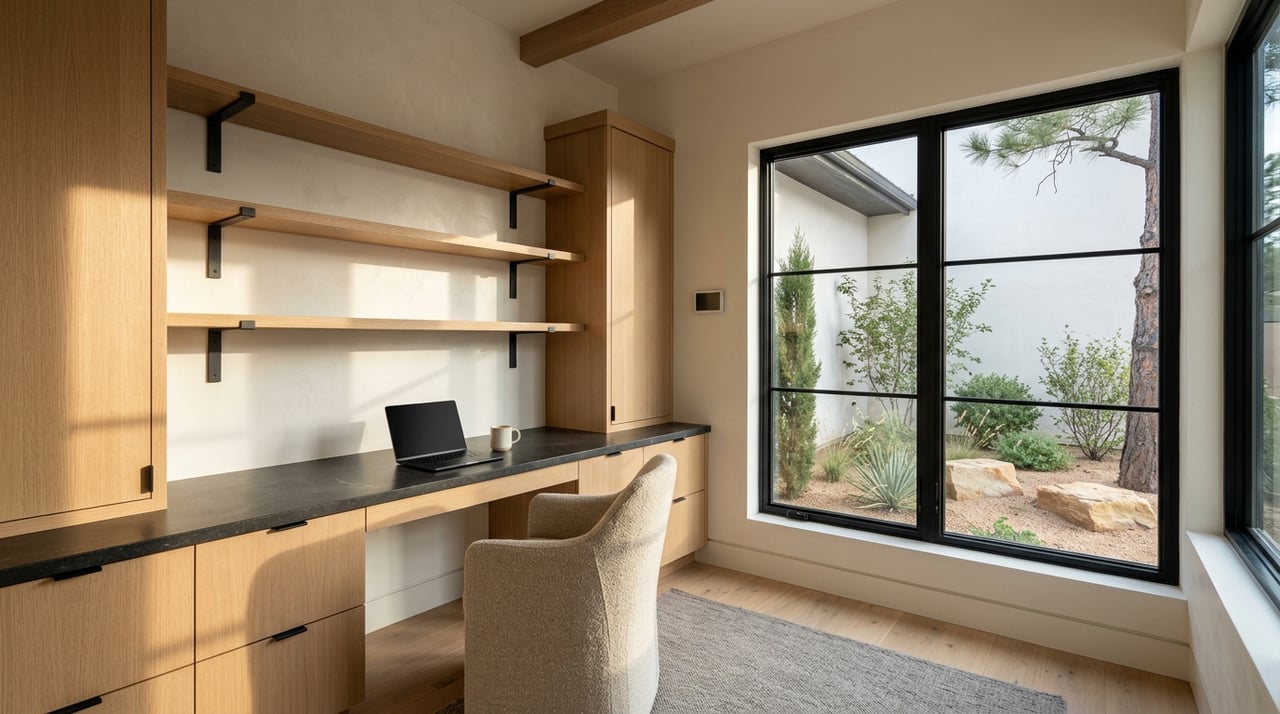
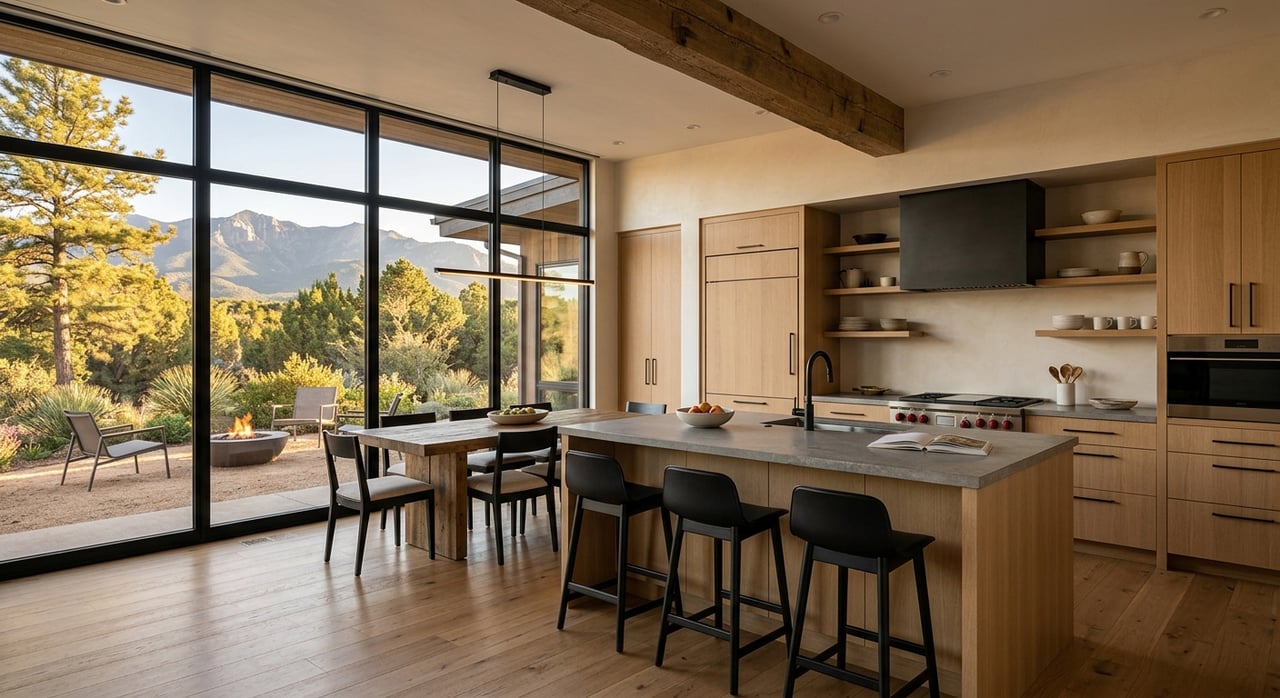
New master‑planned communities in Erie blend multiple home types, curated streetscapes, and on‑site amenities. You will commonly find townhomes and single‑family options with modern, open‑plan layouts, efficient footprints, and a range of sizes across builder collections. For example, Colliers Hill’s active listings and builder pages highlight single‑family plans that span from roughly 1,960 to more than 3,000 square feet, with pricing that varies by plan and lot. Review builder community pages for current offerings and specs.
Lifestyle programming is a big draw. These communities often include a clubhouse or amenity center with pools, fitness areas, meeting rooms, event lawns, trails, and playgrounds. If you want built‑in social events and low‑maintenance living, master plans can deliver. Westerly, for example, markets multiple amenity centers, a strong trail network, and a planned village with future retail, making everyday life more convenient as the project builds out.
It is also important to understand how many new subdivisions finance roads, sewers, parks, and other infrastructure. Many rely on one or more metropolitan districts. These special districts issue bonds and then levy property taxes inside their boundaries to repay the debt. That can mean a higher annual property tax bill compared with a similar home outside a district. The Colliers Hill Metro District site explains how mill levies are calculated and why these districts are used. If you are evaluating a new build, verify which district(s) serve the property and review current mill levies and outstanding debt.
Developers often operate parks or amenity areas during warranty periods before transferring them to the Town. A concrete example is Ironstone Park in Colliers Hill. It has been maintained by the metro district while under warranty and is scheduled for transfer to the Town after the warranty period. Ask who maintains each amenity today and whether a transfer is planned.
Finally, new builds can include builder incentives, such as interest rate buydowns or closing cost credits. Balance those upfront perks against ongoing HOA dues and metro district taxes. Both line items can change year to year, so plan conservatively and focus on total monthly cost, not just purchase price.
Who this fits
- You prefer new systems, builder warranties, and energy‑efficient construction.
- You value a private clubhouse, pool, and programmed community events.
- You are comfortable with HOA dues and likely metro district taxes for the lifestyle and amenities provided.
- You like predictable architectural styles and walkable internal paths and parks.
Established neighborhoods
What you can expect
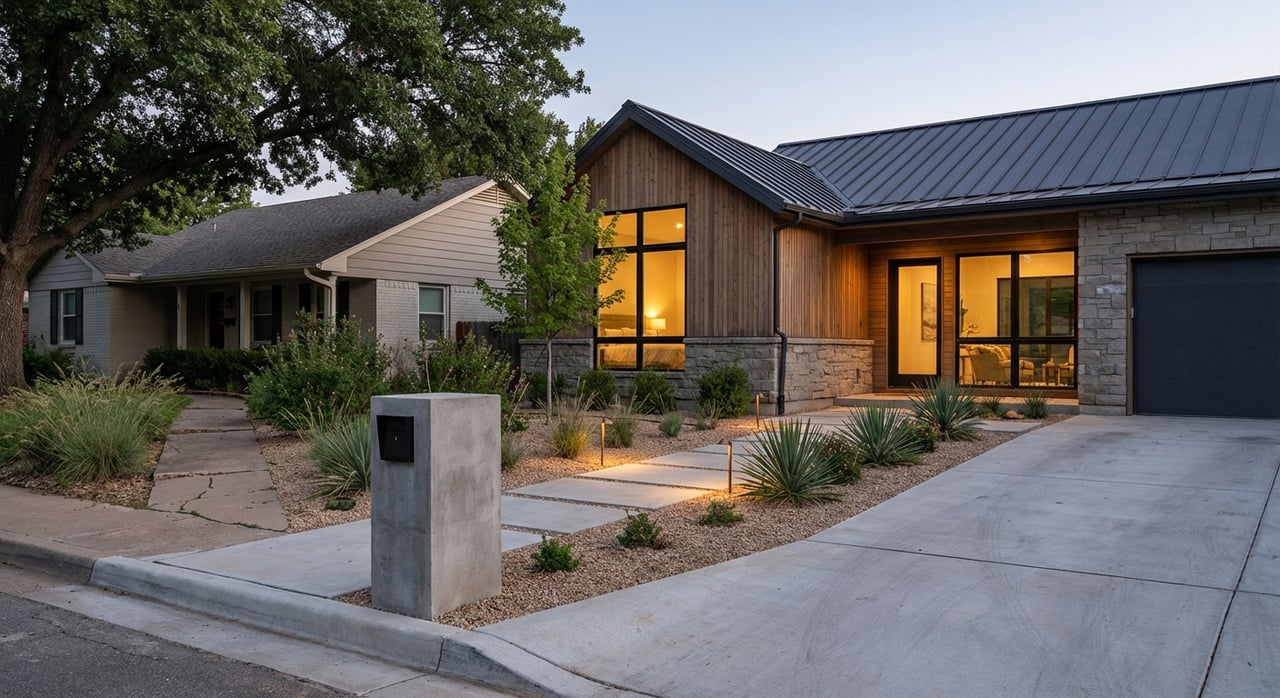
Erie’s established neighborhoods include older subdivisions, tree‑lined streets near historic downtown (often called Old Town), and golf‑course communities such as Vista Ridge. These areas tend to offer mature landscaping, larger or irregular lots, and more varied architecture across the block. If you want more yard and shade, you will likely find it here.
Homes built in earlier decades may need updates to interiors, mechanical systems, roofs, or exteriors. For many buyers, that is a plus. You can renovate to taste over time and potentially buy into a location with strong character. Some established areas have HOAs, while others do not. Many pre‑date the widespread use of metro districts, which can translate to different property tax structures than newer subdivisions. Always verify the specific taxing authorities for the property you are considering.
Amenities in established areas often rely more on the Town network: parks, open space, community programs, and the Erie Community Center. Some neighborhoods have their own small parks or pools, but it is less common than in newer master plans.
Who this fits
- You want a larger lot, mature trees, and diverse architectural styles.
- You prefer a quieter street experience with fewer community‑wide events.
- You are open to light updates or renovations to customize the home.
- You want to explore properties that may not be inside a metro district.
HOAs and metro districts: what to check
Quick definitions
- HOA (Homeowners Association): A private association that enforces covenants, collects dues, and maintains defined common areas. Colorado HOAs operate under the Colorado Common Interest Ownership Act. Request the recorded CC&Rs, current budget, reserve study, recent meeting minutes, rules, and the resale disclosure packet to understand governance and costs.
- Metropolitan districts: Local government entities that finance infrastructure and repay bonds through property tax mill levies on homes within the district. These appear frequently in new Erie developments. The Colliers Hill Metro District site provides examples of how mill levies work, which is helpful when estimating your annual taxes.
Cost considerations
Your monthly housing cost is more than principal and interest. It also includes property taxes, HOA dues, and insurance. In a metro district, the tax line can be notably higher than a similar home outside a district. Review the district website for current mill levies and outstanding bonded debt, then pull a sample tax estimate to see the dollar impact. For HOA communities, study the budget, reserves, and any planned special assessments. Colorado licensing guidance now emphasizes clearer disclosures for properties inside metro districts, which helps you compare costs more transparently.
Everyday life: parks, trails, schools, shopping, commute
Erie invests heavily in parks and open space. Newer master plans and established neighborhoods both connect into the Town’s trail system, including regional links along Coal Creek. Use the Parks and Open Space resources to see maps and upcoming projects so you can weigh how each neighborhood connects to the larger network.
The Erie Community Center is a public hub for all residents, with an indoor pool, gym, classes, and events. Private master‑plan amenities are typically for residents and their guests only. When comparing neighborhoods, note which amenities are public and which are private. That distinction affects access and dues.
Erie is served by the St. Vrain Valley School District. School boundaries and program offerings can change as new neighborhoods and school sites come online. If school assignment is important to you, verify current boundaries directly with the district and review specific school sites for the most up‑to‑date information before you write an offer.
Retail and services have grown alongside housing, with groceries, hardware, and small centers arriving in phases. Commute times to downtown Boulder or Denver often fall in the 20 to 35 minute range depending on traffic, route, and the exact starting point. Test your drive during normal rush hours and check planned road projects that could change travel patterns over the next few years.
Side‑by‑side snapshot
New master plan: New construction, modern layouts, builder warranties, on‑site amenities, and strong lifestyle programming. Expect HOA dues and likely metro district taxes, plus staged buildout that can add future amenities and nearby commercial.
Established streets: Mature trees and landscaping, varied architectural styles, and potentially different tax structures than new districts. You may have more maintenance and fewer private community events, but larger or more unique lots are common.
Buyer checklist for Erie
- Is the property inside a metropolitan district? If yes, what is the current mill levy and outstanding bonded debt? Ask for the district website and use it to estimate annual tax impact.
- Request the full HOA/CC&R packet: recorded documents, current budget, reserve study, recent minutes, and rules on rentals, exterior changes, parking, and pets. Ask about any planned special assessments.
- Confirm who maintains parks, trails, streets, and pools today. Are any amenities scheduled for transfer to the Town after a warranty period? Get dates in writing.
- Identify typical utility providers for the subdivision, including water, sewer, trash, and internet. Builders often publish provider details on their community pages.
- Compare commute times during morning and evening rush hour to your primary destinations. Check for planned road improvements that could change traffic patterns over your ownership timeline.
Use the resources below to complete those checks:
- Review the Colliers Hill Metro District site for a clear example of mill levy explanations and district operations.
- Read the Colorado CCIOA statute section to understand HOA governance basics and your owner rights and responsibilities.
- See the Town’s Parks and Open Space page for trail and park maps when weighing neighborhood access.
- Check the Erie Community Center for public amenities that complement or substitute for private neighborhood facilities.
- Browse builder community pages, such as Colliers Hill, for current plan sizes and utility notes.
How to compare two specific homes
- Start with total monthly cost. Estimate principal and interest, then add property taxes, HOA dues, and any metro district levies. Use conservative tax assumptions and verify mill levies directly with the district site.
- Weigh near‑term and long‑term maintenance. A new build may have lower immediate repairs thanks to warranties, while an established home might need system updates but could offer a larger lot or desirable location.
- Map access to daily life. Compare each address to parks, trails, public amenities, and your commute. A few extra minutes each day adds up over a year.
- Consider future phases and transfers. In master plans, check the buildout timeline, future retail or school sites, and any scheduled transfers of parks to the Town.
- Align the choice with your lifestyle. If you want weekend community events and a private pool, that points to a master plan. If you want a big backyard and flexibility to renovate, an established street may be the right move.
Work with a local advisor
Choosing between new and established in Erie is not just about price. It is about how you want to live, what you want to maintain, and how costs evolve over time. A trusted local agent can help you verify district taxes, read HOA budgets, compare builder incentives, and model total monthly cost so you can decide with confidence. If you want a hands‑on guide with new‑construction expertise and strong negotiation skills, connect with Jane Kraemer. Jane represents buyers across Erie and the North Front Range with a client‑first approach and clear, practical advice.
FAQs
What is a metro district in Erie and how does it affect taxes?
- A metro district is a local government entity that finances infrastructure and repays bonds through property tax mill levies, which can raise your annual tax bill compared with areas outside a district; review the district website for current mill levies and debt details.
How do HOAs in Erie neighborhoods differ from metro districts?
- HOAs are private associations that enforce covenants, collect dues, and maintain defined common areas, while metro districts are public entities that tax property to fund infrastructure; you may encounter both on a single home, so review each cost line and document set.
Are new master‑planned amenities open to the public?
- Most private amenities in master‑planned communities are for residents and their guests only, while public facilities like the Erie Community Center are open to all town residents; confirm access rules and dues before you buy.
How can I confirm whether a property is inside a metro district?
- Ask the seller or your agent for the exact district name and link to the official district site, then verify the property’s taxing authorities and mill levies to estimate the annual tax impact.
Do school boundaries affect my Erie home search?
- Yes, school boundaries can change as new neighborhoods open; verify current boundaries and program options with the St. Vrain Valley School District and check individual school sites before making an offer.