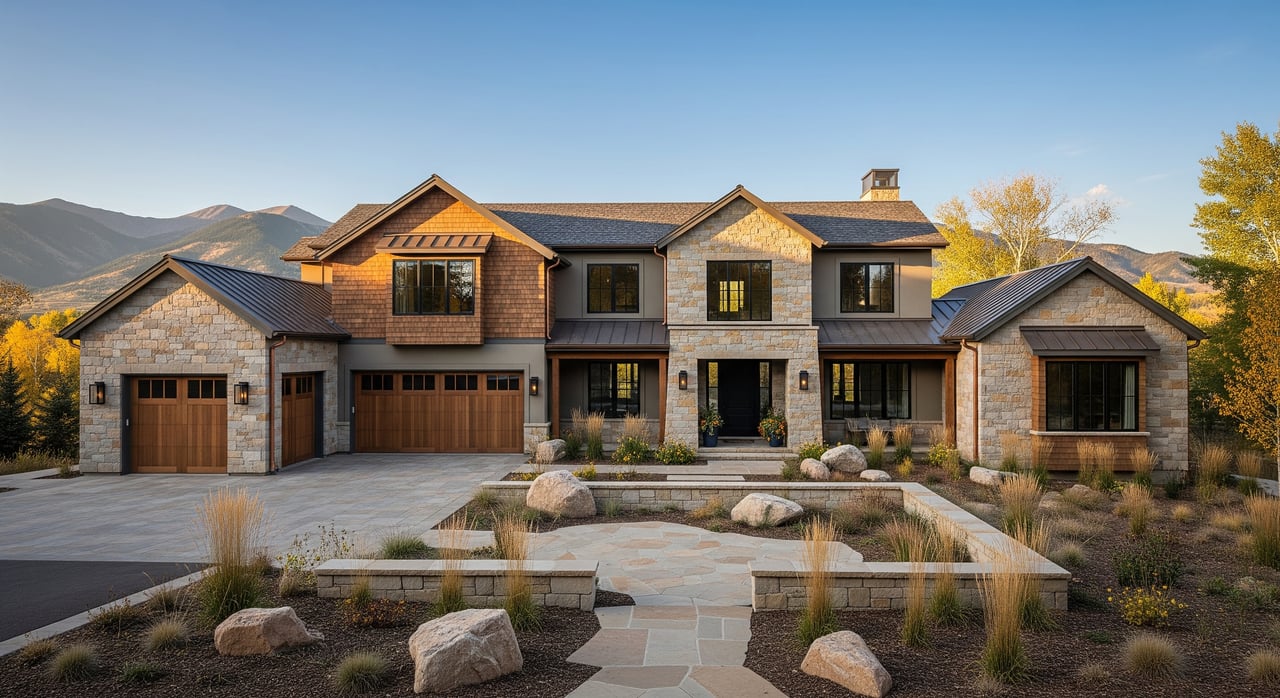
If you price your Niwot home using townwide averages, you can miss the mark by tens of thousands. In a small, varied market like Niwot, a single sale on your street can sway the data and shift buyer expectations. You want a price that attracts the right buyers without leaving money on the table. In this guide, you’ll learn a micro-market approach that fits Niwot’s unique mix of homes, lots, and locations so you can price with confidence. Let’s dive in.
Why Niwot pricing is different
Niwot is a small, primarily residential community with diverse housing. You’ll find historic downtown homes, ranch-era properties, newer infill and subdivision homes, and some townhomes and condos. Because the housing stock is so mixed, value can change block by block.
In a small market, one sale can skew averages. That’s why you need very local, recent comparable sales. Focus on the same street or neighborhood, same home type, and similar lots, ideally from the last 3 to 6 months. Also consider nearby competition, because Niwot sellers often compete with adjacent Boulder County and Longmont listings.
Buyer demand in Niwot is influenced by commute routes to Boulder, Longmont, and Denver, local amenities, and outdoor access. Limited inventory also plays a role. Small price shifts can move your home into or out of common search bands, which can change your buyer pool.
Segment your micro-market
Treat Niwot as several micro-markets rather than one place. Start by mapping your home to the factors buyers weigh most.
Product type
- Historic single-family homes, such as older bungalows or craftsman styles.
- Newer single-family homes and subdivision homes.
- Custom homes on larger lots.
- Townhomes and condominiums.
Lot and orientation
- Lot size and usable outdoor space.
- Topography and slope that affect drainage or buildability.
- Views, including foothills, plains, or mountain vistas.
- Privacy, tree cover, and sun orientation.
Location within Niwot
- Proximity to Main Street and downtown amenities.
- Distance to parks, trails, bike paths, and Niwot schools.
- Proximity to St. Vrain Creek and any floodplain considerations.
Condition and updates
- Kitchens and baths, plus mechanical systems like HVAC, roof, and windows.
- Finished basements or permitted accessory dwelling units.
- Energy efficiency upgrades, such as solar or added insulation, which are often important to Colorado buyers.
Zoning, utilities, and HOA
- HOA presence, dues, covenants, and any special assessments.
- Utility hookups, septic versus municipal sewer, and easements.
Search band sensitivity
- Common price thresholds, such as “under a round number,” shape buyer behavior. In a small market, pricing just below a threshold can significantly change showing activity. Local thresholds vary, so check what buyers are searching for now.
Build a Niwot CMA that fits
A thoughtful comparative market analysis is the backbone of your price.
Gather the right data
Collect recent sold comps from the last 3 to 6 months when possible, plus active and pending listings. Review days on market by property type, list-to-sale price ratios, and price per square foot ranges by home type and bedroom count. Watch the absorption rate to gauge whether conditions favor sellers or buyers. Confirm details like lot size and year built through county records, and review permit history for additions or remodels. Check floodplain status and any recent changes that could affect disclosures or insurance. Also note school boundaries and nearby infrastructure projects that might influence demand.
Select tight comparables
Start with your street or immediate neighborhood and your specific home type. Choose 3 to 6 comps with similar lot size, age, style, and condition. If there aren’t enough, expand your search radius and timeframe, but document your reasons. Use active and pending listings to understand your current competition and buyer options right now.
Make smart adjustments
Adjust for material differences, and show your support in writing. Typical practitioner ranges often used include:
- Kitchen or bath modernization: roughly 5 to 10 percent, depending on scope.
- Lot size or usable outdoor space: about 3 to 8 percent, larger lots near the high end.
- View premium for foothills or mountain views: about 3 to 10 percent based on prominence.
- Finished basement or permitted ADU: value finished area at roughly 50 to 75 percent of above-grade price per square foot, recognizing buyer preference varies.
- New roof, mechanicals, or windows: about 1 to 3 percent each for reduced buyer risk.
These are general ranges. Local buyer sensitivity can be higher or lower in Niwot, so lean on your comp support rather than rules of thumb alone.
Use price per square foot carefully
Build a price per square foot benchmark from your immediate comp set. Do not rely on a townwide average that mixes very different homes and lots.
Pick the right price strategy
Each pricing approach has tradeoffs. Choose the one that fits your home and the current Niwot segment you’re in.
- Price at market: Use your CMA to set a competitive price that draws the widest buyer pool and supports a typical timeline.
- Slight underpricing: This can spark multiple offers when inventory is tight and your home has broad appeal. The risk is leaving money on the table if competition is softer than expected.
- Price at thresholds: Set your price just below common search buckets, such as 699,900 versus 700,000. In small markets, threshold effects can be more pronounced.
- Premium pricing for unique homes: If your property is truly rare, such as a custom home with exceptional views or a large lot, price on merits and plan for a longer days-on-market window with targeted marketing.
Marketing that supports your price
Marketing should highlight the micro-market features buyers value in Niwot.
- Pre-listing inspection and thorough disclosures reduce buyer risk and can support a stronger list price.
- Professional photography, drone imagery, floor plans, and 3-D tours help buyers see lot depth, views, and layout.
- Targeted outreach to Boulder and Longmont buyer pools, plus relocation audiences, increases exposure to likely movers.
- Timing matters. Spring is typically busiest in Colorado, but unique homes can sell year-round. Factor in local event calendars that may influence showings.
Appraisals, financing, and negotiation
In a small market with few recent comps, appraisers may struggle to support a higher price. Prepare a comp book with your CMA, permits, and upgrade documentation. That helps the appraiser and the buyer’s lender see your home’s value.
Mortgage underwriting is sensitive to interest rates and affordability. Consider offering rate buy-downs or highlighting assumable financing if available. If the market moves quickly and you anticipate appraisal gaps, you can address risk with a recent pre-inspection, contractor estimates for improvements, or specific appraisal contingency terms during negotiation.
Disclosures that affect value
Local disclosures and property details can influence both price and buyer demand.
- Floodplain and easements: Homes near the St. Vrain Creek may face flood insurance requirements and a smaller buyer pool. Clear disclosure and any mitigation documentation help buyers and appraisers assess the impact.
- HOA dues and restrictions: Monthly dues and rules affect buyer budgets and flexibility, so factor them into pricing.
- Permits and unpermitted work: Unpermitted work is often discounted compared with permitted equivalents. Provide records to support value.
Seller pre-pricing checklist
Use this list to prepare for pricing and launch.
- 3 to 6 recent comparable sales with photos, plus active and pending competition.
- Permits and inspection records for remodels or additions.
- Recent property inspection and service records for roof, HVAC, windows, and other systems.
- HOA documents, dues, and any special assessments.
- Floodplain or easement status and any mitigation or engineering reports.
- Assessor details for lot size, year built, and tax history.
- Professional media plan: photos, floor plan, 3-D tour, and staging.
When to look beyond Niwot
Because Niwot is small, your buyers may compare your home with nearby Boulder County or Longmont options. Watch those segments too. A slight price adjustment can pull you into a larger search band and expand your audience. Align your price with the best comp set, even if it crosses city lines, and document any adjustments.
Move forward with confidence
A micro-market strategy lets you price your Niwot home with precision. When you build a tight CMA, segment by product and lot, and market the features that matter here, you attract the right buyers and protect your outcome. If you want expert help assembling the data and presenting your home at its best, reach out. With premium listing presentation and hands-on guidance, you can list with confidence.
Ready to price your Niwot home with clarity? Connect with Jane Kraemer to Schedule Your Free Market Consultation and get a custom micro-market pricing plan.
FAQs
How close should Niwot comps be for pricing?
- Prioritize the same street or immediate neighborhood with similar lot size, age, style, and condition; expand radius and timeframe only when needed and document adjustments.
How much do kitchen and bath updates add in Niwot?
- It varies, but many practitioners use rough ranges of around 5 to 10 percent depending on scope; note that outdated mechanicals or structural issues can offset those gains.
Does being near St. Vrain Creek or in a floodplain hurt value?
- It can narrow the buyer pool and may require flood insurance, which often impacts price unless mitigation steps and insurance costs are clearly documented and addressed.
Should I price low to spark multiple offers in Niwot?
- It can work in low-inventory, high-demand pockets, but assess the current buyer pool and competing inventory first to avoid underpricing without enough competition.
What if the appraisal comes in below the contract price?
- Prepare backup comps and upgrade documentation, consider seller credits to bridge small gaps, or negotiate appraisal contingency terms to keep the deal on track.