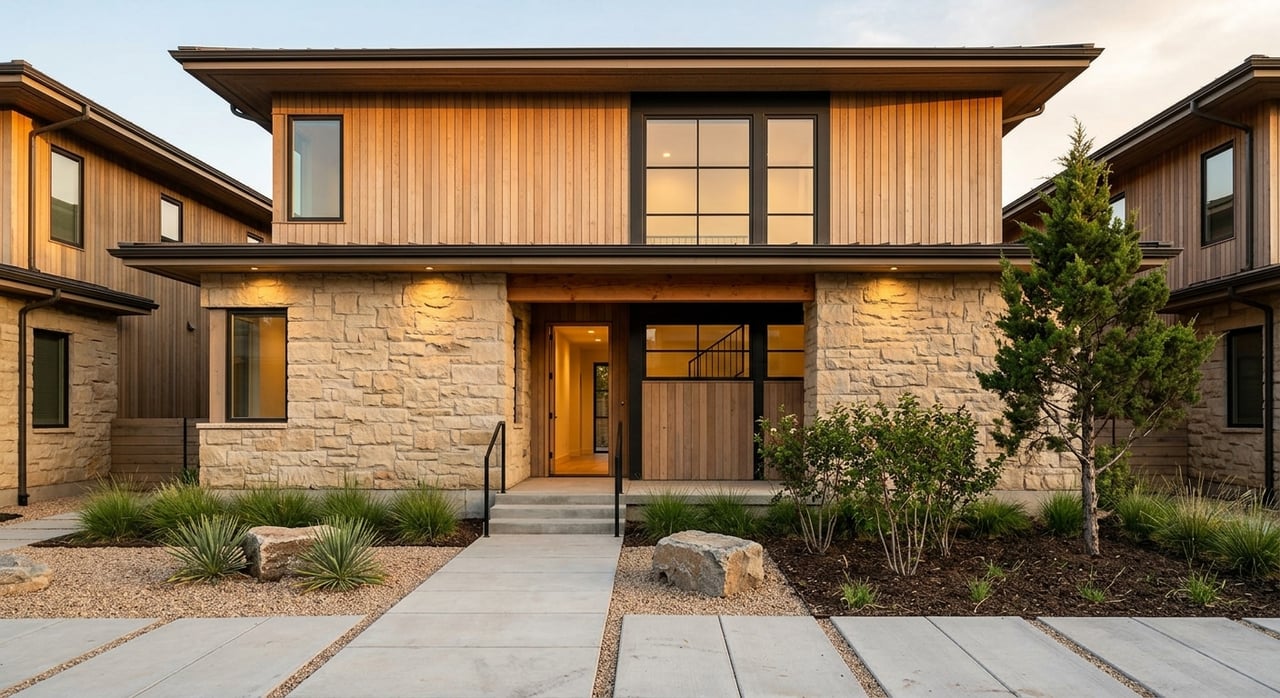
If you want more homeownership options in Longmont without taking on every bit of exterior maintenance yourself, a condo or townhome may be worth a serious look. For many buyers, attached housing can offer a lower price point than a detached home, but it also comes with HOA rules, shared costs, and a different kind of due diligence. This guide will help you understand how condo and townhome buying works in Longmont, what to watch for, and how to make a smart decision with confidence. Let’s dive in.
Why condos and townhomes stand out
Longmont’s housing market has stayed fairly competitive, and attached homes can fill an important gap for buyers who want more flexibility on price or upkeep. Market snapshots from early 2026 show a tight market overall, with homes going pending in about 45 days, a median sale price around $575,000 on Redfin, and seller-market conditions according to Realtor.com.
That matters if you are shopping for a condo or townhome, because well-priced listings may not sit long. Even though the numbers vary by source and date, the broader message is consistent: if the home is priced right and fits your needs, you should be ready to act.
Longmont price ranges to expect
In Longmont, condos are usually the more affordable attached option, while townhomes often come at a higher price point. The city’s Q2 2025 report showed residential condos selling at a median of $390,000, with the middle 50% between $330,000 and $471,500.
That same report put all residential homes at a median of $564,950. Current listing data also supports the general pattern, with Redfin showing condos around a $385,000 median listing price and townhouses around a $475,000 median listing price. In many cases, both options still come in below detached-home pricing.
Attached housing is growing in Longmont
Attached homes are still a smaller share of Longmont’s housing stock than detached homes. According to the city’s 2023 housing needs assessment, about 63% of the housing stock is single-family detached, about 9% is attached single-family such as townhomes, and about 20% is in buildings with five or more units.
But more attached housing is on the way. Of the 1,735 units under construction in the city pipeline, 27% were townhomes or condos and 47% were multifamily. If you are hoping for more choices in the next few years, that is a meaningful trend.
Condo vs. townhome in Longmont
Before you buy, it helps to understand the basic difference between these two property types. The terms are sometimes used casually, but ownership and maintenance can vary a lot from one community to another.
What a condo usually means
With a condo, you typically own the interior space of your unit, while common elements are shared through the homeowners association. Those common elements may include roofs, exterior walls, hallways, landscaping, parking areas, and other shared spaces, depending on the governing documents.
What a townhome usually means
With a townhome, ownership can feel closer to a detached home, but that does not always mean you maintain everything yourself. In some communities, the HOA handles roofing, siding, landscaping, or snow removal. In others, the owner has more direct responsibility. The declaration and HOA documents are what matter most.
Colorado rules matter here
In Colorado, most common-interest communities are governed by the Colorado Common Interest Ownership Act, often called CCIOA. But older communities can be different. The state’s law summary notes that pre-1992 communities may still fall under the older Condominium Ownership Act, while post-1992 communities are generally governed by CCIOA.
That distinction matters in Longmont because an older condo or townhome community may have different rules, disclosures, and maintenance obligations than a newer one. If you are comparing properties built in different eras, do not assume the ownership setup will be the same.
Read the declaration early
One of the smartest things you can do is review the declaration or CC&Rs before making an offer if possible. The Colorado Department of Regulatory Agencies recommends getting those documents from the county clerk and recorder even before you are under contract.
These records should explain key details like the common elements, the plat map, the voting structure, how assessments are set, and what owners can and cannot do with the property. In plain terms, they tell you what you are really buying and what rules come with it.
Because Longmont spans both Boulder and Weld counties, it is important to confirm which county the parcel is in when you pull recorded documents and tax information. That simple step can save time and confusion.
Focus on the full monthly cost
A condo or townhome can look more affordable at first glance, but the monthly budget should be viewed as a package. You will want to consider the purchase price, HOA dues, homeowners insurance, taxes, utilities, and the possibility of future special assessments.
That bigger-picture view matters in Longmont, where the city actively supports affordable and attainable homeownership through local housing policies and programs. Even if a listing price feels manageable, the true carrying cost is what determines whether the home fits your budget comfortably.
What HOA dues may cover
HOA dues can be a benefit when they pay for services you would otherwise manage on your own. Depending on the community, dues may cover items like exterior maintenance, landscaping, snow removal, building insurance for common elements, or shared amenities.
But you should never guess. DORA specifically advises buyers to verify what the HOA maintains and what remains the owner’s responsibility. Roofs, siding, parking lots, and even some utility-related items can fall on different sides of that line depending on the declaration.
Watch for deferred maintenance
One of the biggest risks in attached housing is buying into a community that has not kept up with repairs. DORA warns that visible decay can point to deferred maintenance and possibly a future special assessment.
When you tour a property, look beyond the unit itself. Pay attention to roofs, siding, paint, drainage, parking areas, walkways, and common spaces. If those shared areas show wear, it is worth digging deeper into reserves, budgets, and upcoming projects.
Understand insurance responsibilities
Insurance works differently in an attached-home community than it does with a detached house. Under Colorado law, the HOA must obtain insurance for common elements and liability, while the owner carries insurance for private property and the parts of the unit not covered by the HOA policy.
That split is important. Before closing, make sure you understand what the association policy covers and what your own policy needs to fill in. A clean fit between the two can help you avoid coverage gaps.
Ask for HOA records early
Colorado law gives buyers a solid reason to request documents early in the process. HB21-1229 requires HOAs to keep available current sale-related fees, financial statements, reserve fund balances, insurance policies, and meeting minutes.
That means you can and should ask questions before you feel too committed. Reviewing these records early can help you spot patterns like rising dues, low reserves, insurance concerns, or repeated owner complaints that may affect your decision.
Key questions to ask before you buy
You do not need to be an HOA expert to ask good questions. You just need to know where risk tends to show up.
Ask about maintenance and rules
Before you move forward, ask:
- What exactly does the HOA maintain?
- What repairs are still the owner’s responsibility?
- Are parking, pets, exterior changes, rentals, solar, or short-term rentals allowed?
- Is the community pre-1992 or post-1992, and which law structure applies?
Ask about money and communication
You should also ask:
- How much are dues today?
- When were dues last raised?
- Are any special assessments being discussed?
- Can you review financial statements, reserve balances, insurance policies, and meeting minutes?
- Has the HOA had trouble responding to lender questionnaires or document requests?
Communication issues may seem minor at first, but DORA treats them as a possible warning sign. A hard-to-reach association can create delays and frustration during the transaction process.
Think about the neighborhood’s future
When you buy an attached home, you are not just buying a floor plan. You are also buying into a setting, a development pattern, and a day-to-day lifestyle.
Longmont’s planning resources can help you look ahead, not just look around. The city’s planning pages include active development applications, zoning maps, and maps for historic, transit, and pedestrian-oriented areas. These tools can help you understand what the area may feel like in three to five years, especially if new construction could affect traffic, noise, or views.
How newer communities may feel different
Longmont says its 2025 Urban Neighborhood Design standards are meant to support higher-density, compact, walkable development. That means some newer townhome and condo projects may feel more urban and less suburban than older attached neighborhoods.
For some buyers, that is a major plus. If you want easier access to nearby shops, trails, parks, or gathering spaces, newer compact communities may be a strong fit. If you prefer a quieter layout with more separation, an older community may suit you better.
Two Longmont community examples
A couple of well-known Longmont communities show how different attached-home lifestyles can be.
Prospect New Town
Prospect New Town is one of the clearest examples of a walkable attached-home lifestyle in Longmont. Its official site describes it as Colorado’s first New Urbanist neighborhood, built on a former 80-acre tree farm, with tree-lined streets, restaurants, breweries, coffee shops, boutiques, and community events.
If you want a neighborhood with a more urban, connected feel, this style of community may appeal to you. It offers a different experience from a traditional subdivision layout.
Harvest Junction Village
Harvest Junction Village reflects a newer planned-community model. According to its official site, it includes 278 homes, had a last build date in 2022, and offers proximity to the Longmont Recreation Center, parks, tennis courts, shopping, a walking trail along Left Hand Creek, and regular community events.
For buyers who want newer construction, shared amenities, and less upkeep than a detached house, this kind of setup can be attractive. It is a good reminder that not all townhome communities live the same way.
Why Longmont appeals to buyers
Longmont offers a practical mix of convenience and outdoor access. The city says it covers about 30 square miles, includes more than 1,500 acres of parks and open space, and sits about 16 miles from Boulder and 37 miles from Denver.
That location can work well if you want Front Range access without giving up local amenities. For many buyers, the appeal is not just the home itself, but the ability to enjoy trails, parks, and everyday convenience in one place.
Smart steps before you make an offer
If you are serious about buying a condo or townhome in Longmont, a little extra homework can go a long way. Here is a simple checklist to keep in mind:
- Compare the home’s total monthly cost, not just the price
- Review the declaration or CC&Rs early
- Confirm what the HOA maintains and insures
- Request financials, reserve information, insurance, and meeting minutes
- Look for signs of deferred maintenance in common areas
- Check whether the community is governed under older condo law or CCIOA
- Review city planning and development maps for nearby changes
- Confirm whether the property is in Boulder County or Weld County when pulling records
Buying attached housing can be a smart move, especially if you want a lower-maintenance lifestyle or a more accessible price point than a detached home. The key is understanding the tradeoffs clearly before you commit.
With deep Longmont roots and a hands-on, client-first approach, Jane Kraemer can help you compare communities, evaluate HOA details, and find the right fit for your goals. Schedule your free market consultation when you are ready to start.
FAQs
What is the difference between a condo and a townhome in Longmont?
- A condo usually means you own the interior of the unit while shared areas are maintained through the HOA, while a townhome may give you more direct ownership of the structure or lot, depending on the community documents.
What should buyers review before buying a Longmont condo or townhome?
- You should review the declaration or CC&Rs, HOA dues, financial statements, reserve balances, insurance policies, meeting minutes, and the exact maintenance responsibilities of the HOA versus the owner.
Are Longmont condos cheaper than detached homes?
- Based on city and listing data cited in the research, condos in Longmont are generally priced below detached homes, with townhomes often falling between condos and single-family homes.
Why do HOA documents matter for Longmont attached homes?
- HOA documents explain what you own, what the HOA maintains, what rules apply, how assessments are set, and what restrictions may affect your use of the property.
How can buyers check future development near a Longmont condo or townhome?
- Longmont’s planning resources include development applications and zoning maps that can help you see what may be planned nearby and how the area could change over time.
Does it matter which county a Longmont property is in?
- Yes. Because Longmont spans Boulder and Weld counties, you should confirm the parcel’s county when pulling recorded HOA documents and tax information.