If you are getting ready to sell an acreage home in Niwot, the usual advice about decluttering and deep cleaning is only part of the story. On larger properties, buyers look at the house, the land, the outbuildings, and the paperwork all at once. A smart prep plan can help you reduce buyer questions, protect value, and present your home with confidence. Let’s dive in.
Why acreage prep matters in Niwot
Niwot sits in a premium segment of the Boulder County market, where buyers tend to notice details quickly. Recent public market snapshots showed a typical home value of $1,141,404 as of May 31, 2026, while Realtor.com reported a May 2026 median listing price of $1.73 million, 41 active listings, a 32-day median days on market, and a 99% sale-to-list ratio. Those numbers are not directly comparable, but they do point to a high-value market where condition, function, and clear documentation matter.
Acreage homes also come with more moving parts than an in-town property. You may have a septic system, a private well, detached structures, outdoor storage, and larger land areas that need attention before photos and showings. In Niwot, where views, trails, and outdoor living are part of the appeal, the way your property looks and reads from the street can shape the entire buyer experience.
Start with the property records
Before you spend money on cosmetic updates, gather the documents buyers are most likely to request. This step often saves time later because it helps you identify issues early instead of reacting under contract.
For many Niwot acreage homes, the most important records are:
- Septic documents
- Well records and recent maintenance information
- Radon test results and mitigation records, if any
- Building permits and plans for additions, decks, garages, workshops, sheds, retaining walls, pergolas, or taller fences
When you can answer practical questions clearly, buyers feel more comfortable moving forward. That confidence matters in a market where people expect a well-prepared listing.
Septic should be first on your list
Boulder County’s property transfer regulation says all dwellings and structures with plumbing must have an adequately operating and approved septic system for the correct bedroom count at the time of sale, unless there is a written agreement that the buyer will complete needed repairs within one year. For many sellers, this is one of the biggest transaction items on an acreage property.
That is why it helps to address septic paperwork early. If your records are incomplete, or if the approved bedroom count does not match how the home is currently marketed or used, you will want to know that before your home goes live.
Well information matters too
Private well properties require a different level of preparation than homes on public water. Boulder County notes that private well water is not regulated, treated, or monitored by public health officials, and well owners are responsible for safety, testing, and maintenance.
That does not mean every property has a problem. It does mean buyers will want to understand the system and see that you have treated it responsibly. Organizing well records and recent service information can make your home feel more transparent and better cared for.
Radon is worth checking before listing
Boulder County says radon must be disclosed if the seller knows it exists or has ever existed. Sellers should also provide copies of any test results, and the existence of a mitigation system must be disclosed.
The county recommends testing at the time of sale to reduce liability and buyer anxiety. Even when a home already has a mitigation system, current documentation can make buyer conversations much easier.
Clean up the site perimeter
Once the records are underway, focus on the land immediately around the home and other structures. Buyers often form their first opinion before they ever step inside.
In unincorporated Boulder County, brush, shrubs, grasses, and weeds on properties smaller than 2.5 acres must be kept under 9 inches. The county also requires outdoor storage to be screened from adjacent properties and roadways. Vehicles and trailers must be licensed and operable and cannot be used for storage unless exempt as agricultural equipment.
This is not just about compliance. It is also about clarity. A tidy perimeter helps buyers see the property’s usable space instead of getting distracted by deferred maintenance or visual clutter.
Focus on what buyers see first
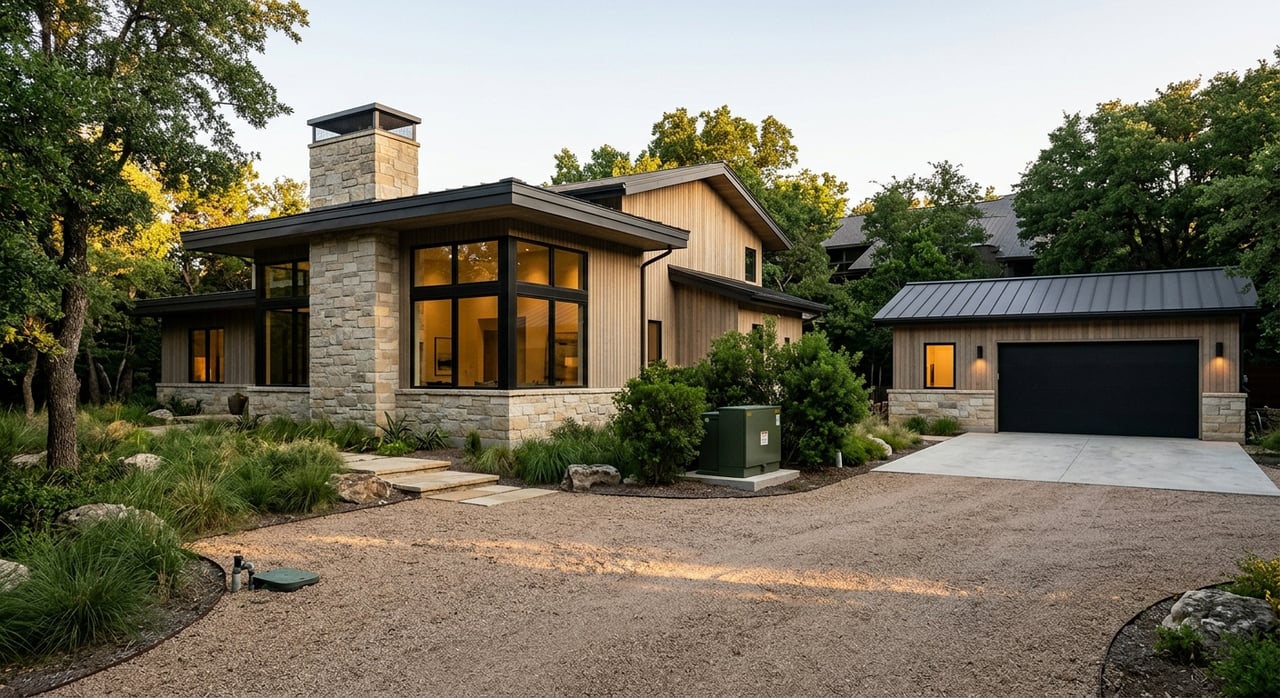
Start with the areas closest to the drive, front approach, main outdoor living spaces, and the views from major windows. Trim grasses and weeds, remove scrap piles, screen storage if needed, and relocate anything that makes the property feel less organized.
On acreage listings, visual simplicity reads as value. Buyers want to understand how the land functions without having to guess what stays, what is stored, or what needs work.
Keep the first 5 feet especially clean
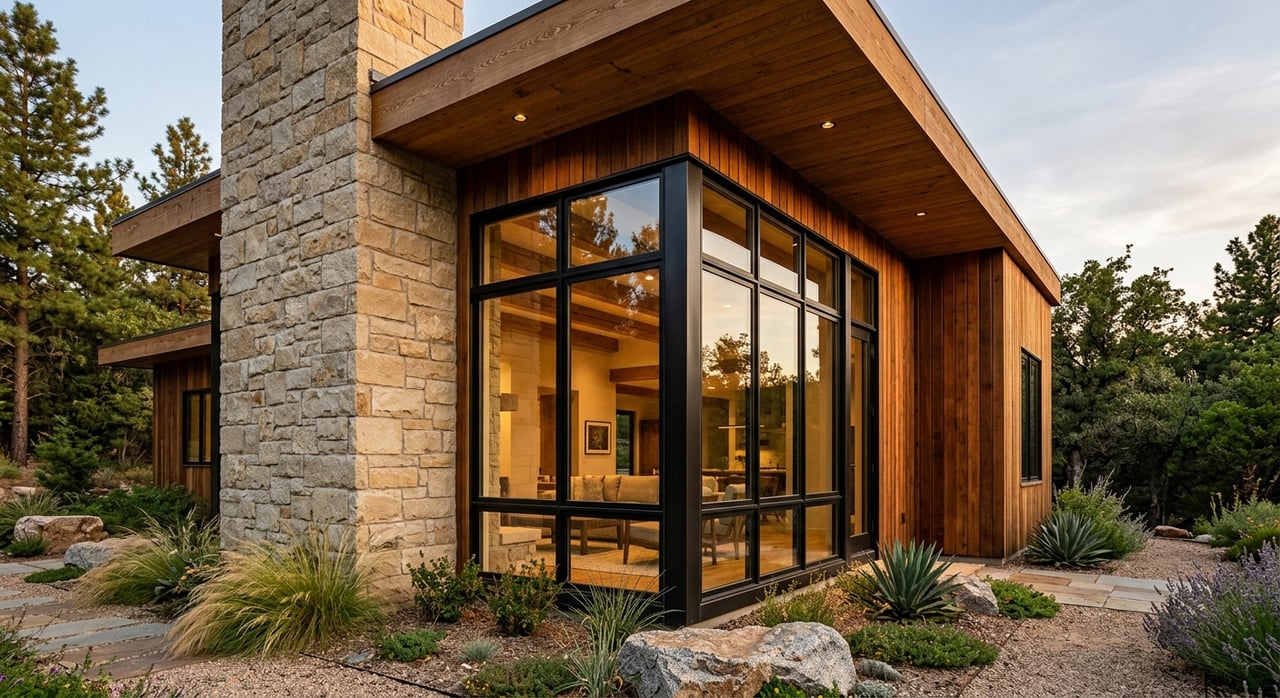
The Colorado State Forest Service recommends treating the first 5 feet around every structure as the cleanest zone on the property. In the Home Ignition Zone, that includes the home as well as decks, fences, and outbuildings, with no flammable material or vegetation in Zone 1.
This kind of cleanup supports both presentation and maintenance. It also shows buyers that the property has been cared for with long-term stewardship in mind.
Plan for slash and debris disposal early
On larger lots, cleanup can create more branches, brush, and yard debris than expected. If your prep work includes major trimming, schedule disposal early so the property does not end up looking half-finished during photography or showings.
Boulder County requires burn permits for open burning of slash and may deny permits if another disposal method is available. In other words, do not assume burning will be the easiest option. Build a disposal plan into your prep timeline from the start.
Make outbuildings easy to understand
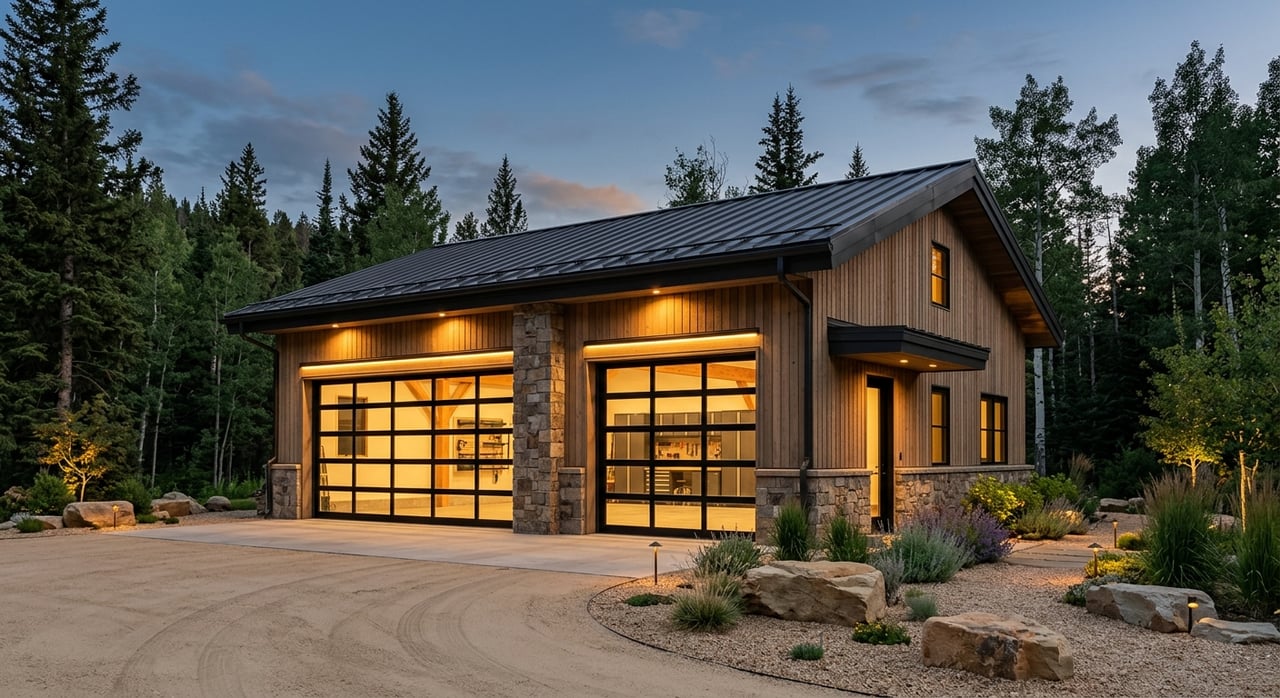
Detached structures can add real appeal to an acreage property, but only if buyers can quickly understand what they are and how they are used. A workshop full of overflow storage may feel like a question mark. A clean, organized workspace feels like usable value.
Boulder County’s floor area guidance notes that detached spaces used for residential purposes can include garages, studios, pool houses, home offices, and workshops, while barns used for agricultural purposes are treated differently. That is one reason presentation matters so much. The cleaner and clearer the use, the easier it is for buyers to picture the space as an asset.
Label the function of each structure
As you prepare the property, assign each detached area a clear role. For example:
- Garage for vehicles and storage
- Workshop for projects or hobbies
- Studio or office for flexible work space
- Barn or utility building for agricultural or equipment use
Then stage each space to support that role. Remove broken items, consolidate supplies, and open up floor area so the structure feels intentional rather than crowded.
Verify permits where needed
Boulder County says one-story detached accessory structures under 120 square feet, under 12 feet tall, with no utilities, and not in conflict with existing approvals or conservation easements may be permit-exempt, with the number allowed depending on parcel size. Larger structures generally need permits and must meet setbacks and other district requirements.
If you added or altered a detached structure over the years, gather the permit record now if one was required. This is especially important because Boulder County also requires wildfire mitigation for new buildings, additions, alterations, and repairs in unincorporated areas.
Review past improvements carefully
Acreage homes often evolve over time. Owners add decks, pergolas, retaining walls, sheds, fencing, or expanded garage space to fit the property better. Those improvements can absolutely help marketability, but only when they are documented clearly.
Boulder County requires building permits for new construction and many alterations, including garages, detached accessory structures over 120 square feet, pergolas, decks, retaining walls over 48 inches, and fences over 6 feet. If you have records, organize them in one place before listing.
When paperwork is easy to review, buyers are less likely to wonder whether a feature was added correctly. That can help reduce stress during inspection and due diligence.
Stage the outdoor lifestyle
In Niwot, the land is not just background. It is part of the lifestyle buyers are shopping for.
Boulder County describes Niwot as trail-connected, with mountain views, cottonwood-lined paths, historic irrigation routes, and access to the Longmont-to-Boulder regional trail. That means outdoor spaces should be prepared with the same care as the kitchen or great room.
Show how the land lives
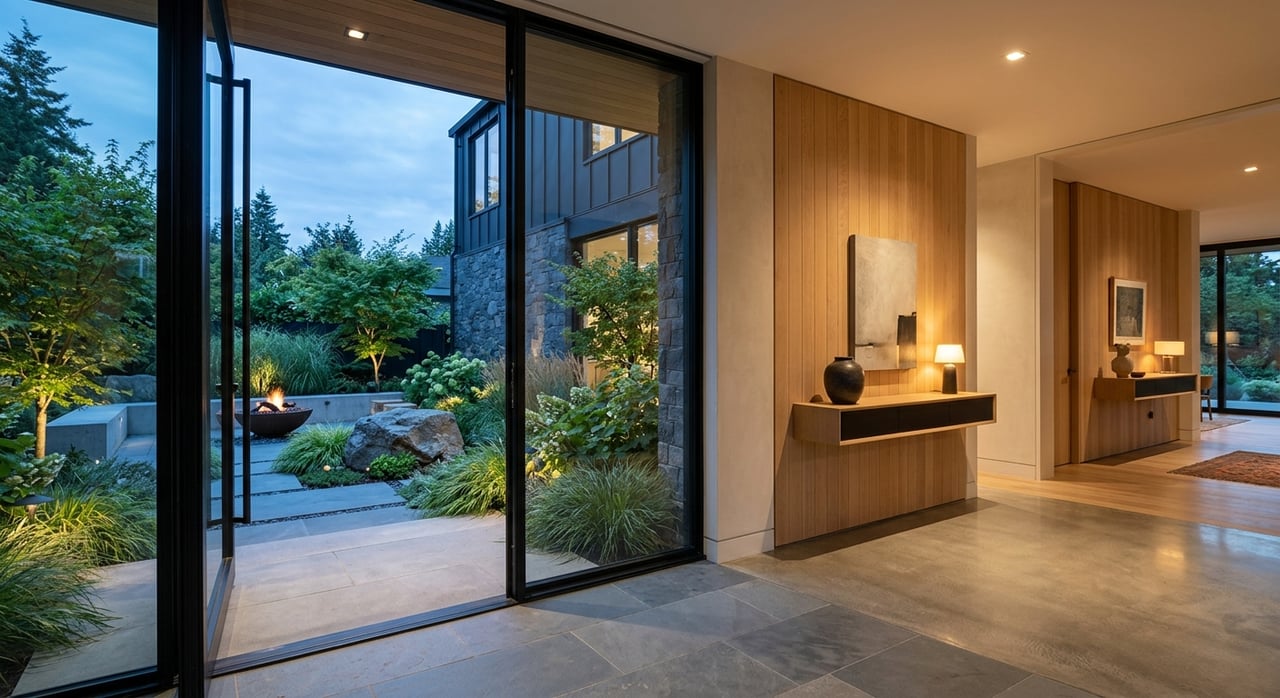
Think about how a buyer will experience the property in photos and in person. A seating area should feel ready for conversation. A patio should feel open and useful. Paths should look maintained and easy to follow.
Simple steps can make a big difference:
- Define seating and dining areas
- Clear view corridors toward mountains or mature trees
- Refresh approach paths and entry areas
- Straighten outdoor furniture and remove extra items
- Make sure gates, fencing, and latches work smoothly
When outdoor areas feel readable and well-kept, buyers can imagine daily life there much more easily.
A smart prep timeline for Niwot sellers
If you have six to twelve months before listing, a practical prep sequence usually looks like this:
- Confirm septic, well, radon, and permit records
- Clean and simplify the site perimeter and outbuildings
- Complete any code-sensitive repairs or improvements
- Stage outdoor living areas for photography and showings
This order helps you tackle the items that can affect value, buyer confidence, and timing before you spend energy on finishing touches. It also supports a smoother listing launch, especially for a property with more land and more systems to evaluate.
Final thoughts
Preparing a Niwot acreage home for the market is about more than making it look good for photos. It is about showing buyers that the property is functional, maintained, and thoughtfully presented from the driveway to the back fence.
When you handle the records early, clean up the site with intention, and stage the outdoor experience well, your home is better positioned to stand out. If you want a tailored plan for your property, Jane Kraemer can help you prepare, present, and market your home with the hands-on guidance and premium listing strategy that high-value Boulder County properties deserve.
FAQs
What should you do first when preparing a Niwot acreage home for sale?
- Start by gathering septic, well, radon, and permit records so you can spot issues early and answer buyer questions with confidence.
Does a Niwot acreage home need septic documentation to sell?
- Yes. Boulder County’s property transfer regulation requires dwellings and structures with plumbing to have an adequately operating and approved septic system for the correct bedroom count at the time of sale, unless there is a written agreement for the buyer to complete repairs within one year.
Why does well paperwork matter for a Niwot acreage property?
- Private well water is the owner’s responsibility, and buyers often want to review testing, maintenance, and permit information to better understand the system.
Should you test for radon before listing a Niwot home?
- It is often a smart step because Boulder County recommends testing at the time of sale, and known radon conditions or mitigation systems must be disclosed.
How should you prepare outbuildings on a Niwot acreage listing?
- Clean them out, give each one a clear purpose, and organize any available permit records so buyers can quickly understand the usable space.
What outdoor cleanup matters most for a Niwot acreage home?
- Focus on trimmed grasses and weeds, screened storage, a clean area around structures, and outdoor living spaces that highlight views, access, and everyday use.