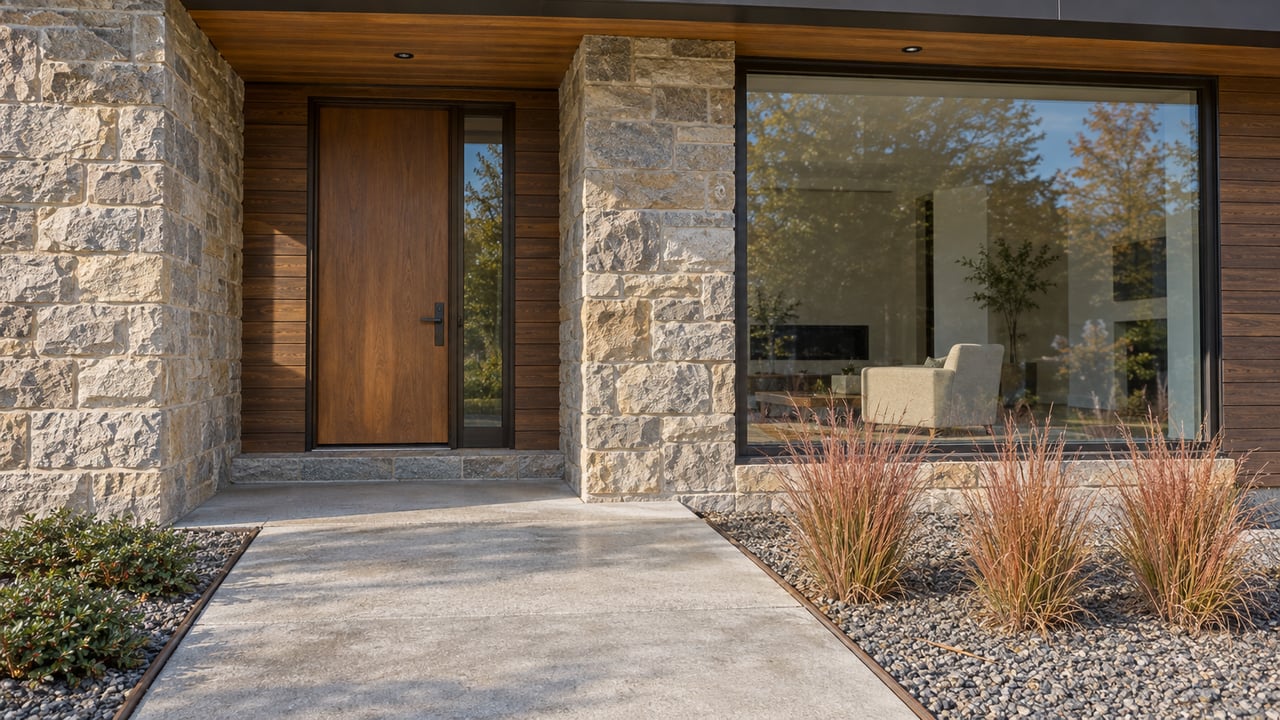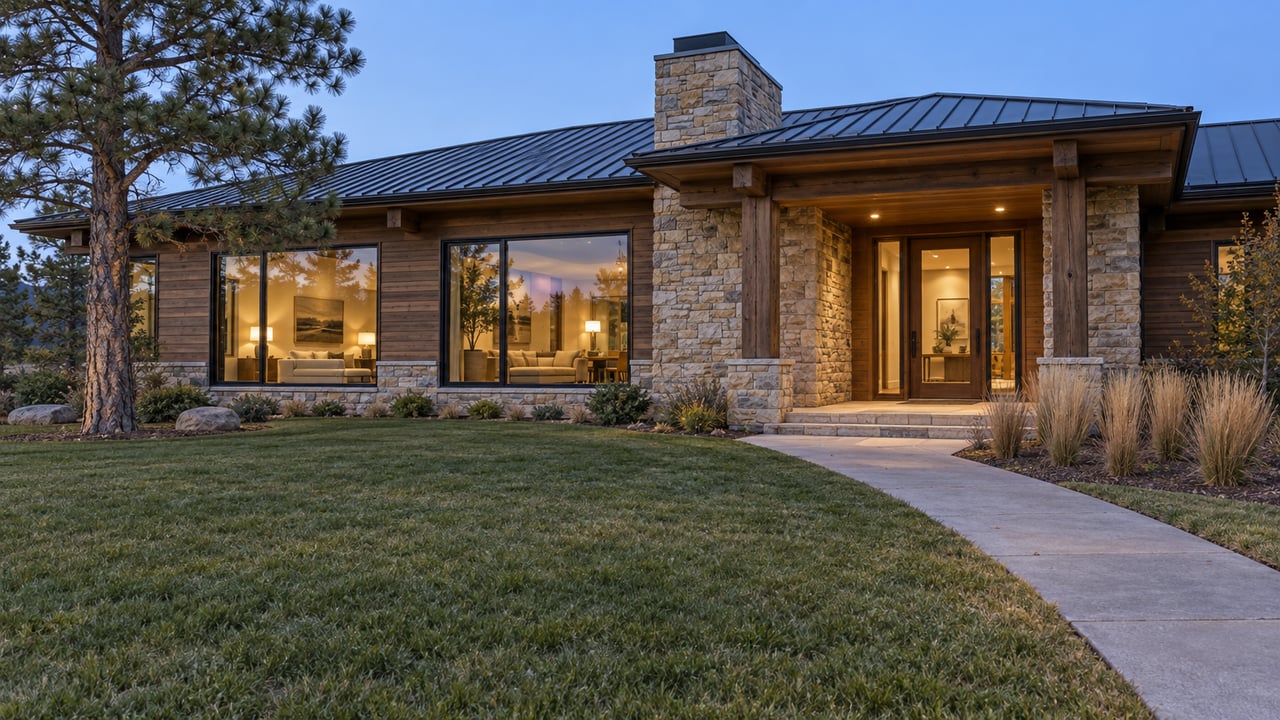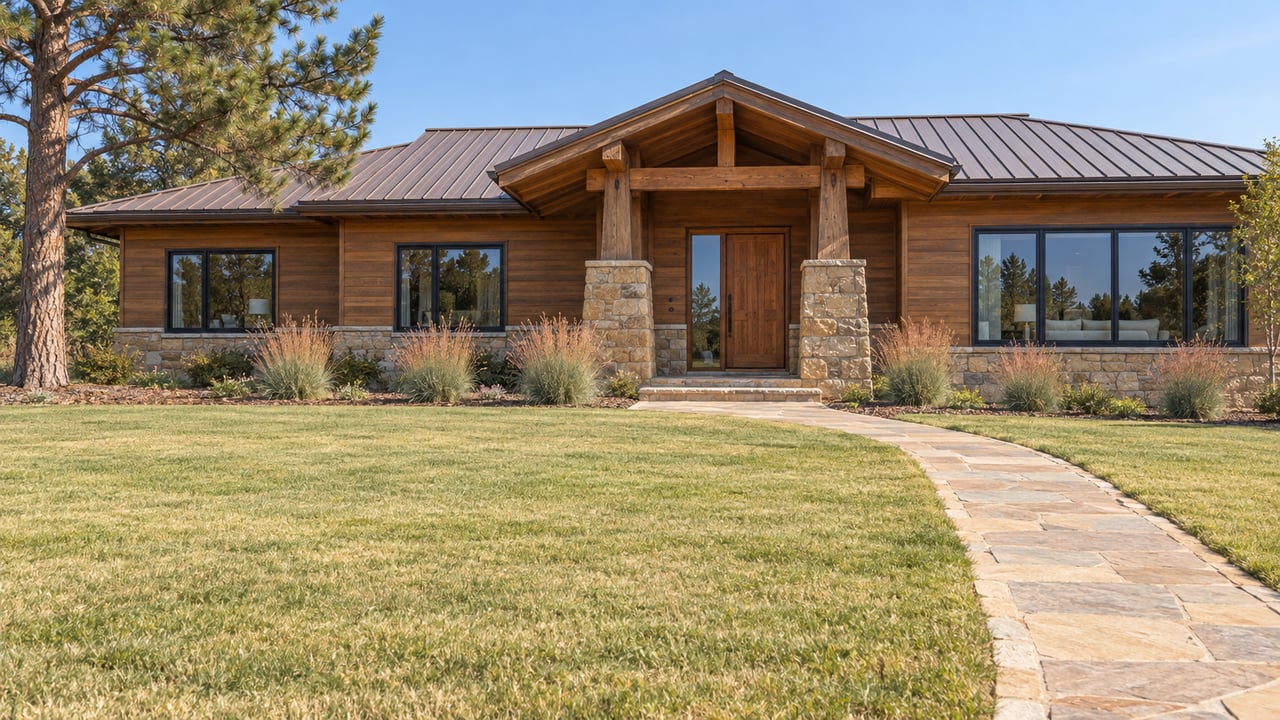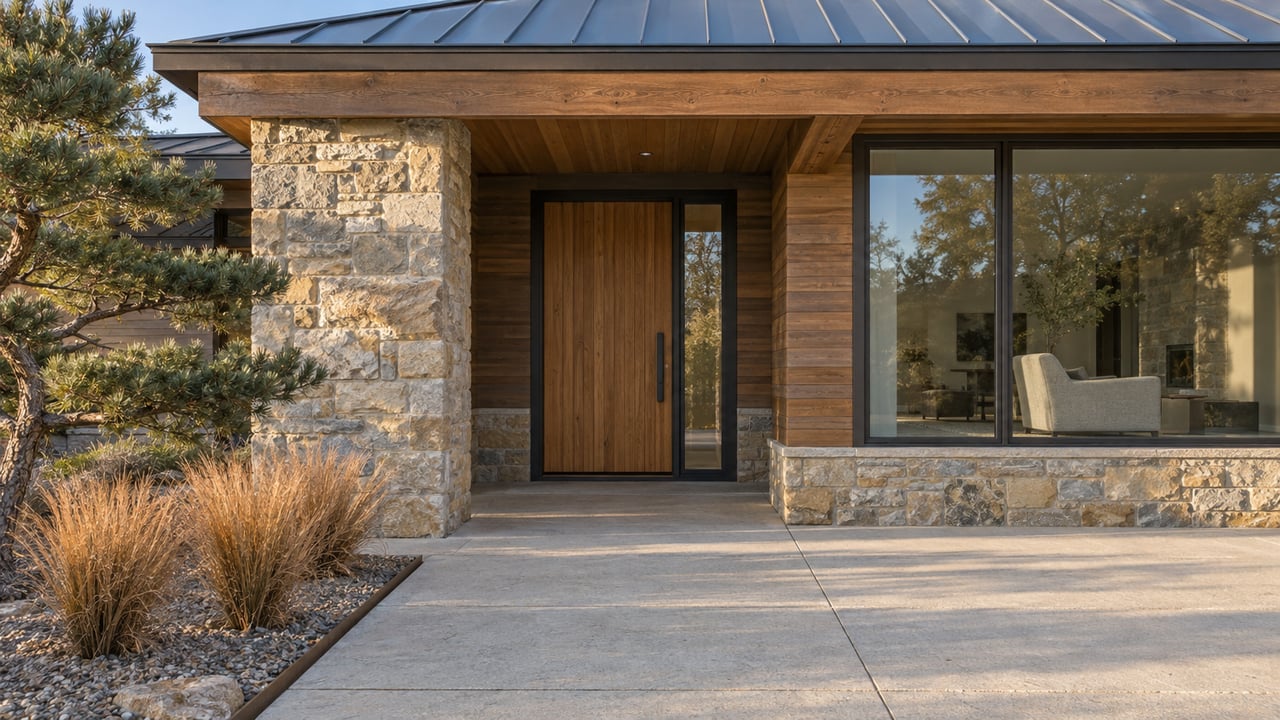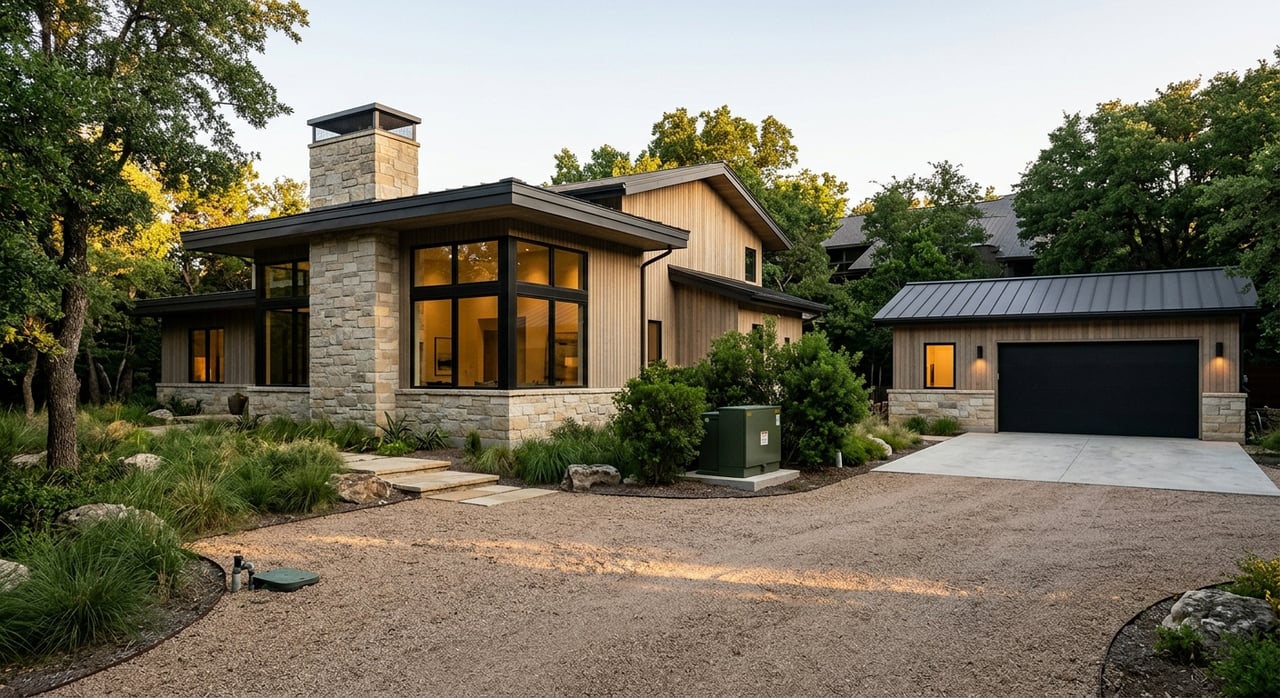
If you are looking at luxury or acreage property in Niwot, the house is only part of the story. In this market, land use, access, utilities, and permitted improvements can shape value just as much as square footage or finishes. If you want to buy wisely or prepare a property for sale, understanding those details can help you avoid surprises and make stronger decisions. Let’s dive in.
Why Niwot feels different
Niwot is an unincorporated community in Boulder County, located northeast of Boulder and south of Longmont. That matters because county ordinances, zoning, and permitting play a major role in how property is used and improved here. Boulder County also notes that the Niwot Rural Community District was created to preserve the area’s semi-rural character.
For you as a buyer or seller, that means Niwot often behaves differently than a typical city neighborhood. Ownership questions tend to go beyond the home itself and into the function of the parcel, including privacy, usable land, outbuildings, and the ongoing care of systems and access. In many cases, those factors are central to how luxury and acreage properties are evaluated.
What drives value on acreage
In Niwot, a large lot does not automatically mean fully usable land. Buildable area can be reduced by zoning rules, setbacks, floodplain limits, irrigation ditches, and access issues. That is why two properties with similar acreage can offer very different ownership experiences.
Luxury buyers also tend to look closely at what the land actually supports. A parcel that has legal access, permitted improvements, and a clear utility setup may feel much more straightforward than one with unresolved questions. Sellers benefit when those details are organized and easy to verify.
Usable land matters most
On acreage property, the key question is often not just how much land you have, but how much of it you can realistically use. Areas affected by setbacks, drainage features, or floodplain controls may not function the way you first expect. This can influence everything from future additions to barn placement or landscaping plans.
Boulder County offers a zoning compliance verification letter that can summarize zoning, prior permits, and known unresolved complaints. For unusual parcels, this can be a helpful way to confirm the basics before you move too far into a purchase or listing strategy.
Zoning shapes what you can do
Boulder County’s zoning rules can vary sharply by district. In some Rural Residential and Estate Residential situations, subdivided parcels with water and sewer in a community service area may have a 1-acre minimum, while unsubdivided parcels may require 35 acres. Setbacks also vary by district, which makes the exact zoning designation and subdivision history especially important.
This is one reason Niwot acreage should never be judged by appearance alone. A property may look like it has room for an addition, detached garage, or barn, but zoning and setback rules decide what is actually allowed. Before you assume future potential, verify the district and the parcel history.
Setbacks can change the buildable area
Boulder County notes a 50-foot setback from the centerline of an irrigation ditch, although that can sometimes be reduced to no less than 20 feet with a letter from the ditch owner and county concurrence. There are also added setbacks along certain roads, including 160 feet from a freeway or expressway, 110 feet from a principal arterial, and 90 feet from a collector in non-mountain terrain.
These rules can take a meaningful bite out of a lot that looks generous on paper. If you are comparing properties, this is one of the reasons a site-specific review matters more than simple acreage numbers.
Access, floodplain, and permit questions
For new construction or major renovation, Boulder County requires evidence of water, sanitation, and legal access if the parcel does not front on a county road. In the plains, which the county defines as east of U.S. 36, a soils report is also required because of expansive soils and high groundwater.
If you are buying with future plans in mind, these requirements are worth checking early. Legal access issues or incomplete utility documentation can affect both your timeline and your budget. Sellers can strengthen buyer confidence by gathering this information before listing.
Floodplain review is essential
Floodplain status is another item you do not want to overlook. Boulder County requires floodplain development permits before construction in regulated floodplains, and some projects need an individual permit if they are not covered by a general floodplain permit.
That does not automatically rule out a property. It simply means you need a clear understanding of where development is allowed and what review may be required. For acreage buyers, that can make a big difference in how the land functions long term.
Outbuildings and shops add complexity
Many Niwot acreage buyers are interested in more than the main house. Detached garages, barns, pole barns, carports, and storage buildings can add flexibility and appeal, but they also need to meet county rules.
Boulder County allows accessory structures by right in all districts, but they still must meet the minimum requirements of the zoning district where they are located. The county also lists detached storage sheds over 120 square feet, carports, and pole barns among the projects that require permits.
Permits affect value and confidence
A permitted oversized garage or shop can be a real value point because it gives a future owner more certainty. On the other hand, an unverified structure can raise questions during due diligence and resale. Buyers should ask whether permits exist for sheds, barns, garages, pools, grading, and prior additions.
County site-plan rules add another layer. Accessory structures under 1,000 square feet are generally not subject to site plan review unless other thresholds apply, while some nonresidential accessory structures in the plains under 5,000 square feet may qualify for expedited site plan review. Larger structures, major grading, and floodplain work can trigger more formal review.
Utilities can vary from parcel to parcel
One of the biggest differences between Niwot and an incorporated city is that utility service is not always uniform from property to property. Boulder County’s permit process requires evidence of either a water tap or an approved well permit, and either a sewer tap or septic approval. That is often the quickest way to understand whether a parcel is on district services or private systems.
For buyers, this affects both lifestyle and cost. For sellers, being able to clearly document the setup can make your property easier to understand and market.
Wells need owner oversight
If a property uses a private well, Boulder County says the water is not regulated, treated, or monitored by public health officials. Regular testing is the owner’s responsibility. The Colorado Division of Water Resources is the state agency that permits and regulates well construction.
That does not make a well a problem. It simply means private water requires active ownership. If you are evaluating acreage, well documentation and recent testing are smart items to review.
Septic systems need routine care
If a home uses septic, long-term maintenance matters. Boulder County Public Health says a well-designed system can last 15 to 40 years, but the tank should be pumped every 3 to 5 years and inspected at least every 10 years. Owners should also keep vehicles and structures off the drain field.
These are practical ownership costs that can influence budgeting and inspections. On the selling side, records of maintenance can help reduce buyer uncertainty.
District sewer has real costs too
If a parcel is connected to the Niwot Sanitation District, the district’s current fee schedule lists a sewer tap purchase cost of $19,600 and a fixed sewer usage fee of $198 every two months for single-family-equivalent properties. While fees can change over time, this shows why utility costs are an important part of evaluating higher-end acreage ownership.
In other words, district service may offer convenience, but it still comes with meaningful costs. Comparing one property to another requires looking beyond the headline price.
Wildfire and site upkeep are part of ownership
Acreage ownership often comes with more ongoing maintenance than a standard subdivision lot. In Boulder County, wildfire mitigation is a real part of that equation. The county says the conditions that most affect whether a home survives a wildfire are within 100 feet of the structure, and its code addresses ignition-resistant construction, defensible space, and noncombustible perimeters.
Depending on the fire district, new homes may also need an emergency water supply or cistern. Boulder County notes that some accessory structures or agricultural buildings can trigger added requirements when they exceed certain size or distance thresholds.
Fire review is part of the local process
Mountain View Fire Rescue serves Niwot and surrounding communities. That means fire-prevention review is part of the broader local permitting environment for many projects.
For buyers, this is another reminder that acreage ownership includes more than the main structure. For sellers, a well-maintained site and clear records around improvements can support a smoother transaction.
Road access and maintenance matter
Road conditions and access can play a larger role on acreage than many buyers first expect. Boulder County maintains about 700 miles of roadway and handles snow removal, grading, drainage, and culvert work. At the same time, the county notes that local access roadways may not receive major resurfacing.
If a parcel does not front on a county road, legal access documentation may also be required in the building process. Recorded access easements and practical road conditions are both worth reviewing carefully, especially if you want flexibility for future projects.
How Niwot compares with Boulder and Longmont
Niwot often feels more like a county acreage market than a city lot market. In incorporated municipalities, local governments typically manage utilities, streets, and planning. In Niwot, county zoning, county permitting, and special-district coordination play a larger role.
For you, that means due diligence usually needs to go deeper. In Boulder or Longmont, a standard subdivision lot may have fewer parcel-specific questions. In Niwot, buyers and sellers often need to look more closely at buildable area, permitted improvements, utility obligations, and long-term upkeep.
What buyers and sellers should verify
If you are buying a Niwot luxury or acreage property, focus on the parcel as much as the house. If you are selling, the more clearly you can document these items, the more confidence you can create for buyers.
Here is a practical checklist to start with:
- Confirm the zoning district and whether the parcel is subdivided or unsubdivided
- Review setbacks, including ditch and roadway setbacks
- Check floodplain status and any permit requirements
- Verify legal access, especially if the property does not front on a county road
- Confirm whether water and sanitation are district-based or private
- Ask for permits on garages, barns, sheds, additions, pools, or grading work
- Review septic maintenance records or well-related documents when applicable
- Understand wildfire mitigation obligations and fire-district review requirements
- Factor in utility fees, road conditions, and ongoing site maintenance costs
When these details are clear, you can make better pricing, negotiation, and planning decisions. That is especially important in a market where acreage value depends so heavily on how the parcel actually functions.
If you are thinking about buying or selling in Niwot, having local guidance can make the process feel much more manageable. Jane Kraemer offers hands-on, personalized support across northern Boulder County, with the local insight and responsive service you need to evaluate a property beyond the surface.
FAQs
What makes Niwot luxury properties different from Boulder or Longmont homes?
- Niwot is unincorporated, so county zoning, county permitting, and special-district coordination often play a bigger role than they do on a typical city lot.
What should you check before buying a Niwot acreage property?
- You should verify zoning, setbacks, floodplain status, legal access, utility type, permits for improvements, and any wildfire or maintenance obligations tied to the parcel.
Do outbuildings in Niwot need permits?
- Often, yes. Boulder County lists detached storage sheds over 120 square feet, carports, and pole barns among the projects that require permits.
How do wells and septic systems affect Niwot property ownership?
- Private wells require owner testing and oversight, while septic systems need routine pumping, inspections, and drain field protection as part of long-term maintenance.
Why do setbacks matter on Niwot acreage lots?
- Setbacks from lot lines, irrigation ditches, and certain roads can reduce the buildable or usable area of a parcel, even when the total acreage looks large.
What utility costs should you review for a Niwot property?
- You should review whether the home uses district or private systems, along with any sewer tap costs, recurring service fees, and maintenance costs for wells, septic, roads, or drainage.