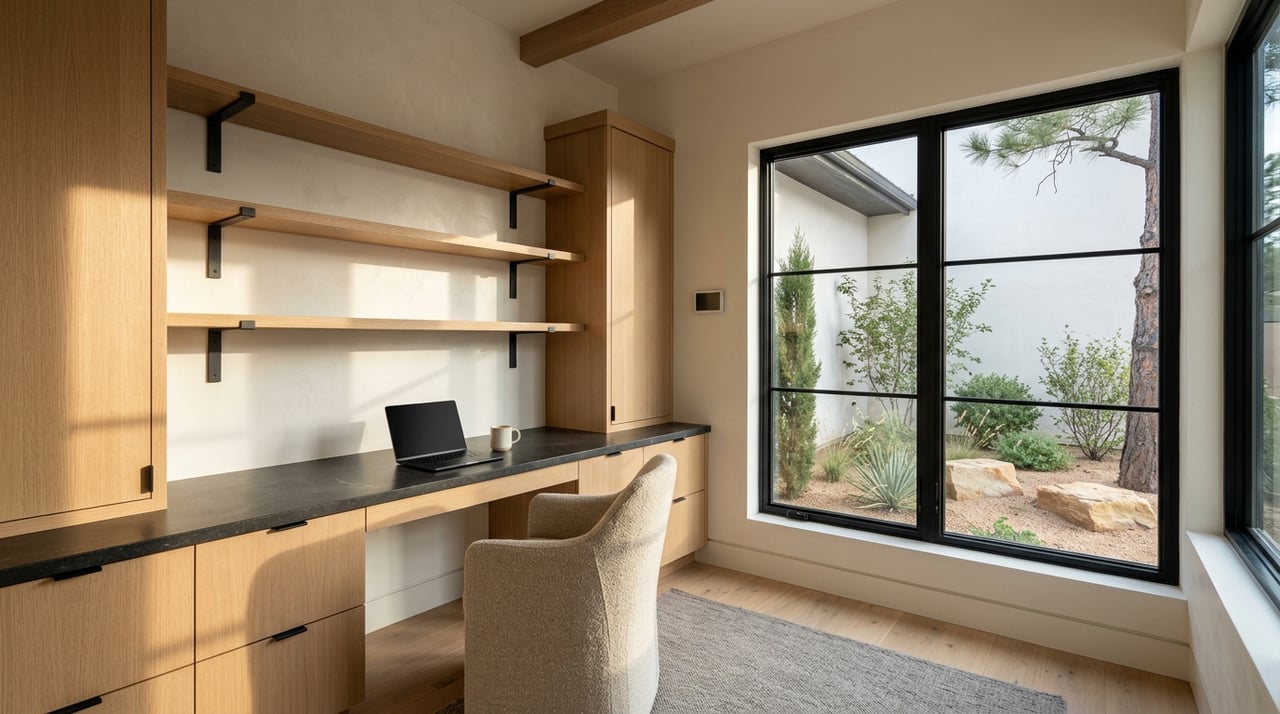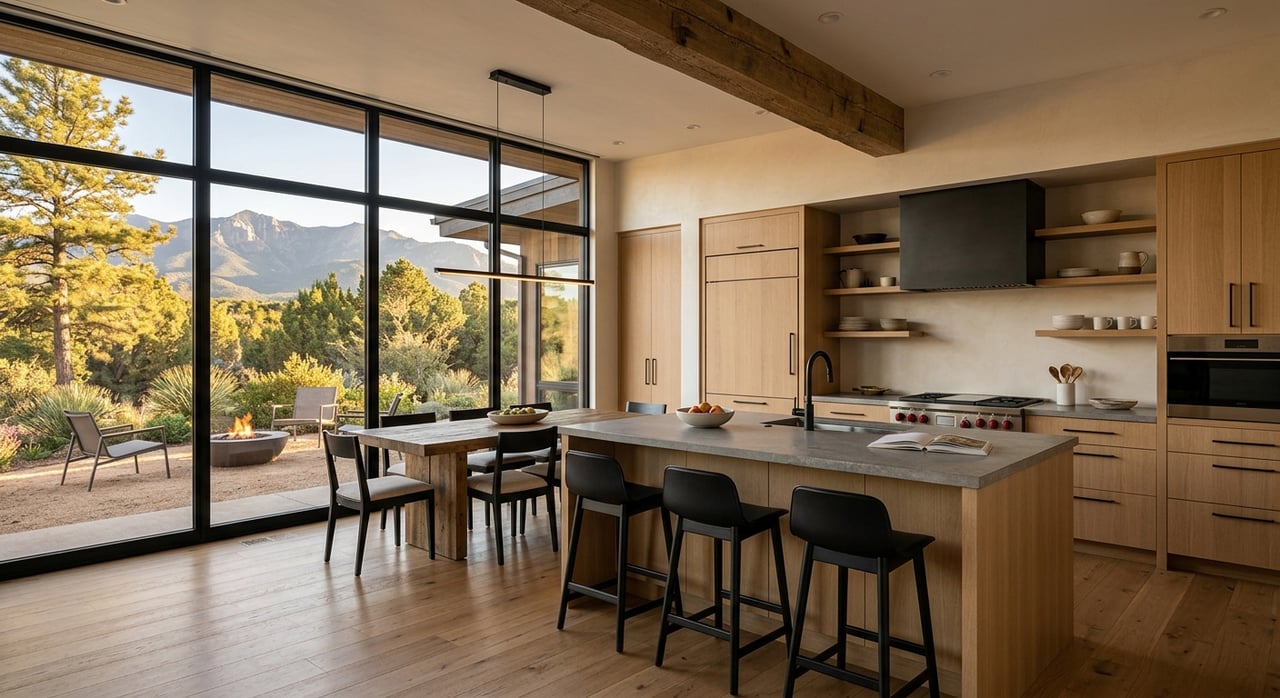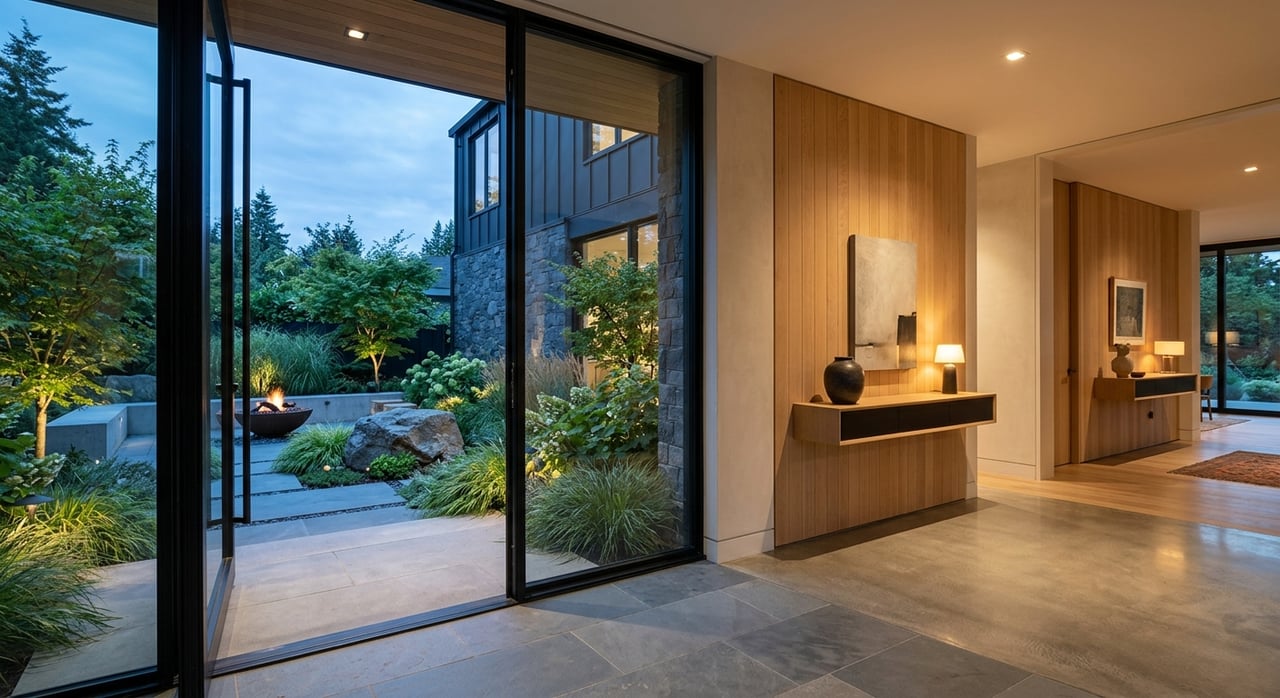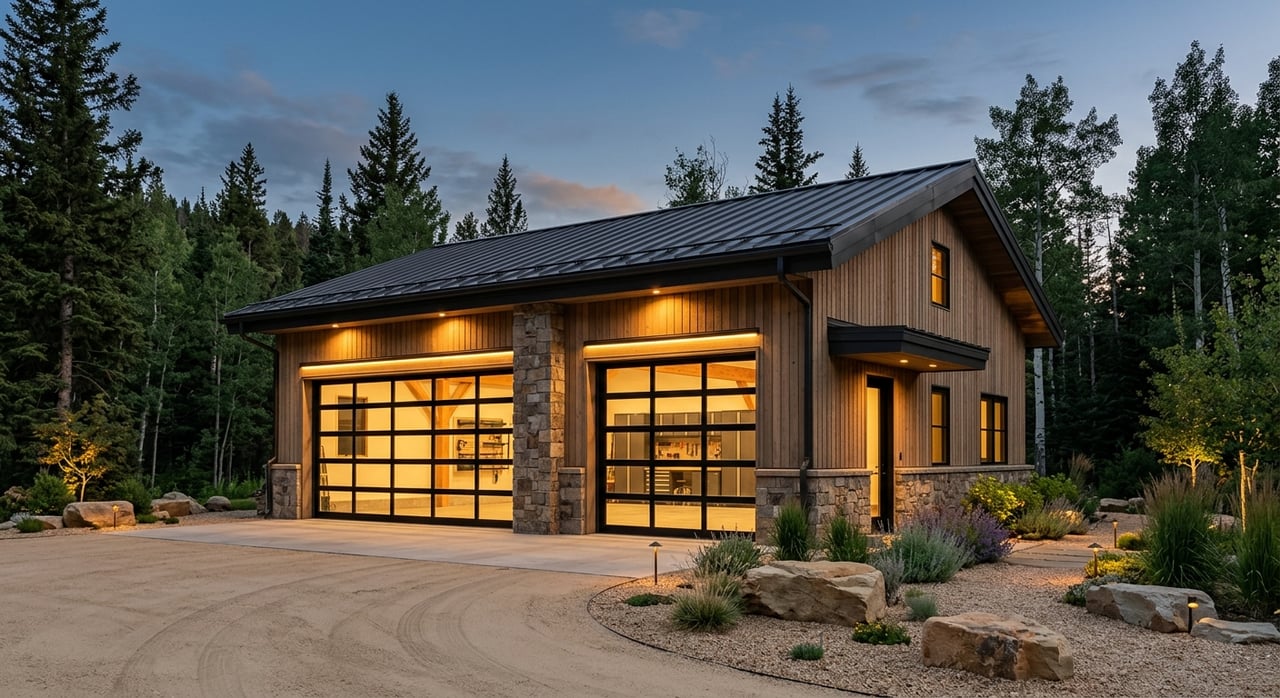
If your home looks great in person but falls flat online, buyers may never make it to the showing. That matters more than ever in Firestone, where many buyers start their search on a screen and make snap decisions based on what they see first. The good news is that the right listing photos can help your home stand out, set better expectations, and attract more serious interest. Let’s dive in.
Why listing photos matter so much
Online presentation now plays a major role in how buyers choose which homes to explore. According to the National Association of Realtors 2025 buyer trends report, 43% of buyers said their first step was looking online for properties, 52% found the home they purchased online, and 81% said listing photos were the most useful feature during their search.
That means your photos are often your first showing. If the images feel dark, cluttered, or incomplete, buyers may keep scrolling. If they feel bright, accurate, and well planned, buyers are more likely to click, save the listing, and schedule a visit.
Photos also carry more weight than many sellers realize. In the 2025 Profile of Home Staging, 73% of buyers’ agents said listing photos were much more important or more important to their clients than physical staging, videos, or virtual tours.
What Firestone buyers may notice
Firestone has been growing quickly, with the town reporting an estimated 19,600 residents, about 6,500 housing units, and more than 275 sunny days per year. It also reports an average household size of 3.02 and a median age of 35.6. While every buyer is different, those local facts suggest many shoppers may pay close attention to practical space, storage, flexible rooms, and outdoor living.
For your listing photos, that means it helps to show how your home functions day to day. Clean kitchen workspace, organized entry areas, usable basement or loft space, garage storage, patios, and backyards can all support the story of move-in readiness. In a sunny, semi-arid climate like Firestone’s, outdoor areas can also photograph especially well when timed right.
Start with clean, simple rooms
Before the photographer arrives, focus on removing distractions. Zillow’s real estate photography tips recommend deep cleaning and clearing visual clutter like cords, remotes, mail, family photos, refrigerator magnets, toys, pet items, and extra decor.
The goal is not to make your home feel empty. The goal is to make it easier for buyers to picture their own belongings and routines there. NAR also notes that too many personal items can make that harder.
A few simple pre-photo priorities can make a big difference:
- Clear kitchen and bathroom counters
- Remove personal photos and paperwork
- Put away pet bowls, beds, and toys
- Minimize seasonal decorations
- Straighten pillows, bedding, and rugs
- Hide trash cans and small appliances when possible
Use light to your advantage
Lighting can change the feel of a room fast. Zillow recommends opening blinds, turning on lights, and scheduling interior photos for the brightest part of the day. It also suggests removing window screens when appropriate so natural light comes through more cleanly.
This matters because dark rooms can look smaller and less welcoming online. NAR also notes that dim or yellow lighting can hurt the impression buyers get before they ever walk through the door.
In Firestone, the local climate can work in your favor. With more than 275 sunny days each year, strong natural light is one of the easiest assets to use well. A professional photographer can help time the shoot so the front exterior, main living areas, and backyard look bright without harsh glare.
Don’t overlook quick touch-ups
Small flaws become more obvious in high-quality photos. Burned-out bulbs, fingerprints on stainless steel, streaky mirrors, or an untidy front walkway can pull attention away from your home’s best features.
Before photo day, take care of visible touch-ups that buyers will notice right away. According to NAR’s home showing guidance, curb appeal plays a major role because it is the first thing buyers see both online and in person.
Use this quick checklist:
- Replace burned-out light bulbs
- Clean mirrors, windows, and glass doors
- Wipe fingerprints from appliances and counters
- Sweep the porch and entry
- Mow or tidy the yard
- Put away hoses, bins, and yard tools
- Park cars away from the front of the home if possible
Feature the rooms buyers care about most
Not every room needs equal attention. The 2025 Profile of Home Staging found that the living room, primary bedroom, and kitchen were the most important rooms to stage. Zillow similarly recommends making sure your bedroom spaces, kitchen, living room, bathrooms, and exterior are all represented.
If you are deciding where to spend the most effort, start there. Those rooms often shape the strongest emotional reaction and help buyers decide whether the home feels comfortable, functional, and worth seeing in person.
In Firestone, it can also help to highlight spaces that support everyday flexibility. If you have a loft, finished basement, mudroom, larger laundry area, three-car garage, covered patio, or fenced yard, those features may deserve extra photo attention because they add to the home’s usability.
Tell a clear story with the photo order
A strong listing gallery should help buyers understand how the home flows. Zillow recommends chest-height camera placement, landscape orientation, open doors between rooms, and images that show the relationship from one space to the next.
The best galleries usually feel easy to follow. Buyers should be able to move from the exterior to the main living spaces, then to the kitchen, bedrooms, bathrooms, and outdoor areas without feeling confused about the layout.
A practical sequence often looks like this:
- Front exterior or best curb appeal shot
- Entry and main living area
- Kitchen and dining spaces
- Primary bedroom and bath
- Secondary bedrooms and baths
- Flexible rooms, storage, basement, or garage
- Backyard, patio, or other outdoor features
Zillow also suggests aiming for about 22 to 27 photos. It reports that homes with fewer than nine photos were about 20% less likely to sell within 60 days, based on its analysis.
Show outdoor living well
Outdoor photos can do more than fill space in the gallery. In Firestone, where the town reports a sunny, semi-arid climate, patios, decks, yards, and covered seating areas may help buyers picture how they would use the property through much of the year.
That does not mean every yard needs to look like a magazine spread. It does mean outdoor areas should be tidy, open, and clearly useful. If your home has room for grilling, dining, play, gardening, or relaxing, your photo set should make that easy to see.
Exterior timing matters too. Zillow recommends photographing when the sun is behind the camera and the front of the home is well lit. That one decision can improve color, reduce harsh shadows, and make the home feel more inviting from the first image.
Avoid photos that hurt trust
Strong listing photos should make your home look its best, but they still need to feel honest. Over-editing can create disappointment later, and that can weaken buyer confidence.
NAR reports that 58% of buyers are disappointed when homes do not live up to TV-style expectations. Zillow also cautions against fish-eye distortion, misleading edits, low-value filler shots, and images of unfinished areas that do not support the home’s appeal.
The goal is simple: make the home look polished, bright, and accurate. When the online photos match the in-person experience, buyers are more likely to feel confident and ready to act.
Why professional presentation pays off
Selling your home is not just about putting photos online. It is about creating a strong first impression that helps buyers connect with the home before they ever step inside.
That is one reason staging and presentation matter together. In NAR’s 2025 staging report, 83% of buyers’ agents said staging made it easier for buyers to visualize a property as a future home. Nearly half of sellers’ agents said staging reduced time on market, and 29% said it increased the dollar value offered by 1% to 10%.
When your photos are supported by thoughtful prep, strong lighting, and a clear strategy, your listing has a better chance to stand out for the right reasons. That kind of presentation is especially important in a competitive online search, where buyers often decide in seconds whether to learn more.
If you are getting ready to sell in Firestone, thoughtful planning can make a real difference in how your home is perceived from day one. Jane Kraemer combines local knowledge with premium listing presentation, including staging guidance and professional marketing, to help you put your home in its best light.
FAQs
How important are listing photos when selling a home in Firestone?
- Listing photos are extremely important because many buyers begin their search online, and NAR reports that 81% of buyers rate photos as the most useful website feature during their home search.
What rooms should listing photos focus on for a Firestone home?
- The most important rooms to feature are the living room, kitchen, primary bedroom, bathrooms, and exterior, with added attention to flexible living areas, garages, patios, and yards when those spaces add clear value.
How should you prepare your Firestone home before a real estate photo shoot?
- You should deep clean, declutter, depersonalize, open blinds, turn on lights, replace burned-out bulbs, clean glass, straighten furniture and bedding, and tidy the front yard and outdoor areas.
How many listing photos should a Firestone home have online?
- Zillow recommends a practical target of 22 to 27 listing photos, and it found that homes with fewer than nine photos were less likely to sell within 60 days.
Should listing photos for a Firestone home be edited heavily?
- No, photos should look polished and bright but still accurate, because overly edited images can create a mismatch between the online listing and the in-person showing experience.