Selling your home is a big job. Selling your Longmont home while also managing kids, pets, school schedules, naps, and daily life can feel like a full-time logistics project. The good news is that with the right plan, you can keep your home market-ready without turning your household upside down. Let’s dive in.
Why family-friendly selling takes a plan
When you are living in your home during the sale, marketing and daily routines have to work together. According to the National Association of Realtors consumer guide on marketing your home, marketing may include staging, professional photography, signage, social media, MLS exposure, and open houses.
That matters if you have kids or pets because each of those steps affects your schedule. The same NAR guidance notes that your agent can help coordinate timing, and Realtor.com seller advice recommends being upfront about routines like nap time, homework, sports, and work hours so showings can be planned more smoothly.
For Longmont sellers, this is where a hands-on approach really helps. A clear showing plan, realistic prep routine, and strong listing presentation can make the process feel much more manageable.
Focus on the rooms that matter most
If you are short on time, start with the spaces buyers notice first. In NAR’s 2025 Profile of Home Staging, 83% of buyers’ agents said staging helps buyers visualize a future home, and the living room, primary bedroom, and kitchen ranked as the most important rooms to stage.
That does not mean every room has to look perfect all day. It means your energy should go first to the rooms most likely to shape a buyer’s first impression, both in photos and in person.
A simple priority list can help:
- Living room: clear toys, fold blankets, and simplify surfaces
- Kitchen: clear counters, store pet bowls, and wipe down appliances
- Primary bedroom: make the bed, reduce extra items, and keep nightstands tidy
NAR also found that photos, physical staging, videos, and virtual tours are important listing tools. That makes early prep especially valuable, since your home’s online presentation often shapes whether buyers book a showing.
Remove distractions before photos and showings
The most consistent advice for occupied homes is to declutter and depersonalize. NAR’s seller showing checklist recommends picking up toys and clothes, clearing counters, and hiding valuables and prescription medications.
This is especially important when you have children or pets. Family photos, art projects, diaper supplies, sports gear, food bowls, litter boxes, and pet toys can make a home feel busy instead of calm and spacious.
Try to think in terms of visibility, not just cleanliness. Buyers will open closets and storage areas, so clutter should be organized rather than quickly shoved out of sight.
What to put away first
Before photos, showings, or an open house, focus on these high-impact items:
- Toys and stuffed animals
- Laundry and extra clothes
- Family photos and highly personal items
- Valuables
- Prescription medications
- Pet bowls, litter boxes, crates, and toys
- Papers on counters or desks
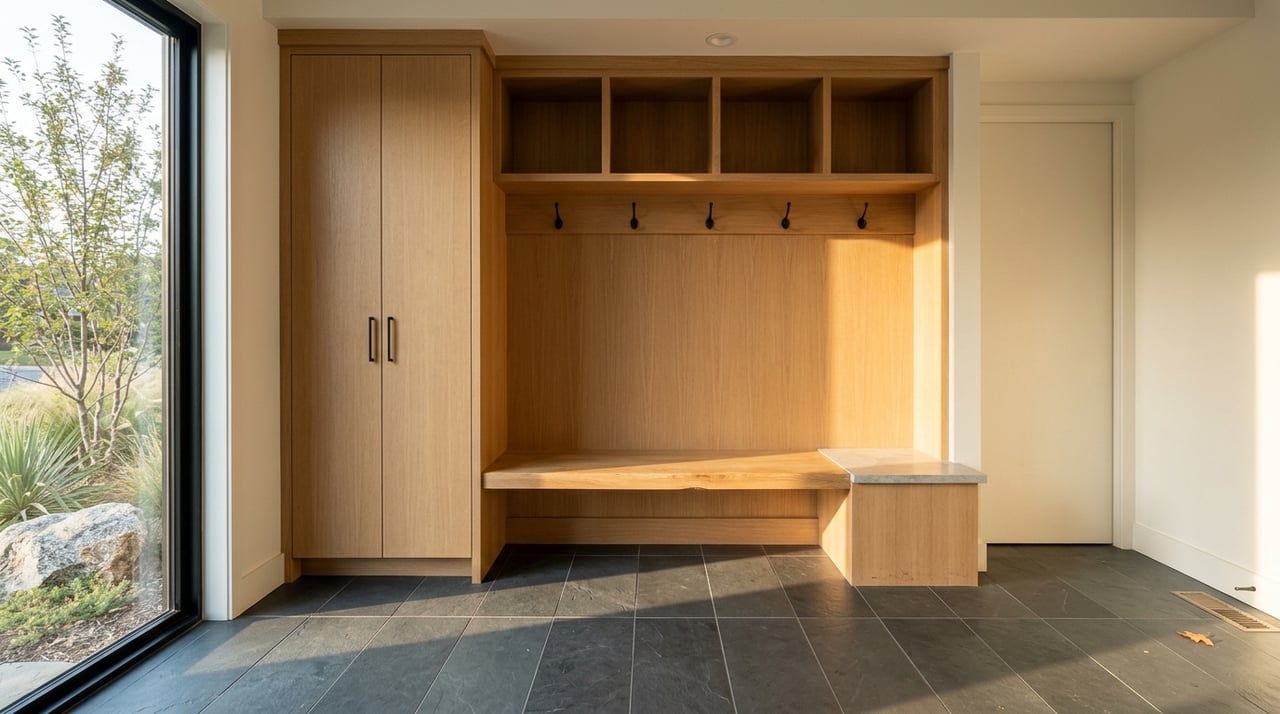
- Extra items in entryways and mudrooms
If you can reduce visual noise, buyers can focus on the home itself.
Build a daily reset routine
You do not need a perfect house every minute of the day. What helps most is a repeatable routine that gets your home ready fast. Realtor.com’s advice for selling while still living in the home recommends a small daily reset and suggests tools like baskets or under-bed organizers for quick cleanup.
For many families, 10 to 15 minutes in the morning and again before leaving the house is a realistic place to start. That routine can make last-minute showings much less stressful.
A simple reset might look like this:
- Make beds
- Put toys in baskets
- Clear kitchen counters
- Wipe bathroom sinks
- Empty trash if needed
- Store pet items out of sight
- Do a quick floor check in main living areas
Recent NAR coverage also supports age-appropriate tasks for children, such as making beds, putting toys away, or closing toilet lids. Small jobs shared across the household can make show-ready living more sustainable.
Plan around school, naps, and activities
One of the smartest things you can do is share your real schedule. NAR’s marketing guidance and Realtor.com seller advice both point to the same idea: the more upfront you are about your family’s routine, the easier it is to build a workable showing plan.
If your day includes school pickup, after-school activities, remote work meetings, or a toddler’s nap, say so early. That allows your agent to block hard-stop times and reduce unnecessary disruption.
You may not be able to avoid every inconvenience, especially if you want to welcome as many buyers as possible. But a good plan can still protect the times that matter most to your household.
Make open houses easier on everyone
Open houses are usually easier when kids and pets are out of the home. Realtor.com recommends planning for children to be elsewhere during the event, then doing a final sweep with windows open and lights on.
For pets, temporary arrangements can be just as important. Guidance cited in the research suggests options like a walk, a pet sitter, or a short stay with a neighbor during the open house window.
A simple open house checklist can help:
- Take kids out for a planned activity
- Remove or secure pets before visitors arrive
- Open windows briefly if needed
- Turn on lights
- Store pet items out of sight
- Do one final pass for toys, dishes, and clutter
The goal is not just cleanliness. It is giving buyers space to move through the home comfortably and focus on the features of the property.
Help pets stay safe and calm
Pets can pick up on change quickly. The ASPCA notes that pets often do best when their routine stays as normal as possible, while changes in schedule or residence can trigger stress or separation anxiety in dogs.
That is one reason it helps to have a showing-day plan before your home goes live. If you know where your pet will go, how long they will be away, and what comfort items you will bring, showings can feel less chaotic for both you and your animal.
NAR safety guidance also says pets should be secured or temporarily removed during showings. Some buyers may have allergies, and others may simply feel uncomfortable encountering pets during a tour. Keeping pet areas clean and odor-free is an important part of preparing the home.
For Longmont sellers, there is one more practical step. The city says dogs and cats must be licensed yearly and vaccinated against rabies through its pet licensing program. Keeping tags current is a smart backup in case a pet slips out during a showing or open house.
Do not overlook curb appeal and safety
Your showing prep does not stop at the front door. Longmont’s property maintenance checklist says exterior areas should be clean, safe, sanitary, and free of hazardous conditions, including sidewalks, driveways, stairways, and parking areas.
That means curb appeal and safe access go hand in hand. Pick up outdoor toys, sweep walkways, move bikes or scooters out of sight, and make sure visitors have a clear path to the entry.
This matters even more in winter. Longmont requires owners and occupants to remove snow and ice from public sidewalks abutting the property within 24 hours after snowfall stops. If your home is on the market during colder months, this is an important part of keeping your property ready for visitors.
Accommodate showings when you can
If you need to sell quickly, flexibility can help. The seller guidance cited in the research notes that accommodating as many showings as possible can increase the chance of receiving an offer because more buyers get to see the home.
That does not mean saying yes to every request without limits. It means creating a routine that makes reasonable access possible while still protecting your family’s basic needs.
Even a few smart systems can make a big difference:
- Keep grab-and-go bags ready for kids
- Store quick-clean baskets in main rooms
- Have a pet exit plan
- Maintain a short list of blocked times
- Focus most of your effort on the main staged rooms
This kind of preparation can help your home stay marketable without making everyday life feel impossible.
Work with a clear marketing strategy
A family-occupied home benefits from more than just cleaning. It also benefits from a smart marketing plan that uses each showing opportunity well. NAR notes that listing marketing can include staging, professional photography, social media, MLS exposure, signage, and open houses.
That is why preparation and presentation matter so much. When your home is staged thoughtfully and photographed well, buyers can begin connecting with it before they ever walk through the door.
If you are preparing to sell your Longmont home with kids or pets, the right support can make the process calmer and more effective. Jane Kraemer offers a personal, high-touch approach with premium listing presentation designed to help you prepare, market, and sell with confidence.
FAQs
How can you keep a Longmont home show-ready with kids?
- A daily 10 to 15 minute reset, quick-clean baskets, and age-appropriate chores like making beds or putting away toys can make last-minute showings much easier.
What should you hide before buyers tour your Longmont home?
- Put away toys, clothes, family photos, valuables, prescription medications, and visible pet items such as bowls, crates, toys, and litter boxes.
Which rooms matter most when staging a home for sale?
- Based on NAR’s 2025 staging research, the living room, primary bedroom, and kitchen are the top rooms to prioritize.
What should happen during an open house when you have kids or pets?
- Plan for kids and pets to be out of the house, then do a final sweep with lights on, clutter put away, and pet items removed from sight.
What Longmont exterior maintenance matters during a home sale?
- Keep sidewalks, driveways, stairways, and parking areas clean, safe, and free of hazards, and remove snow and ice from public sidewalks within 24 hours after snowfall stops.
Why does pet licensing matter when selling a home in Longmont?
- Longmont requires yearly licensing and rabies vaccination for dogs and cats, and current tags can help if a pet gets loose during a showing or open house.