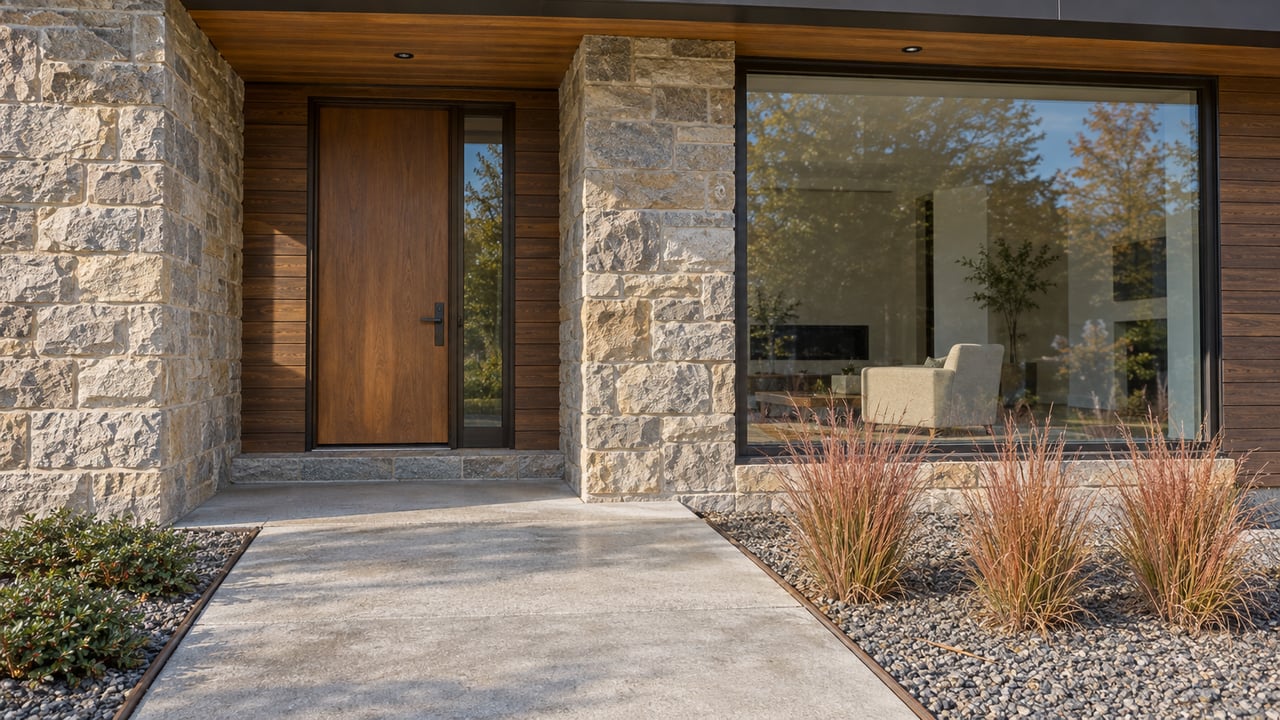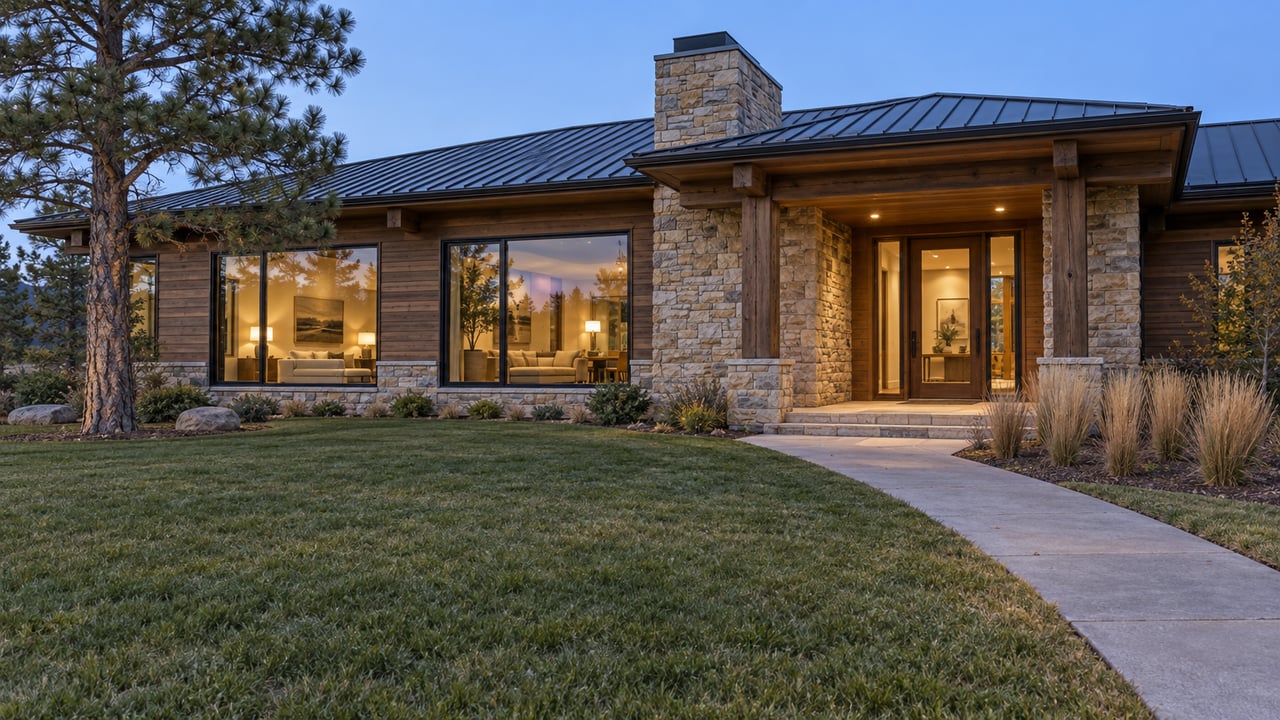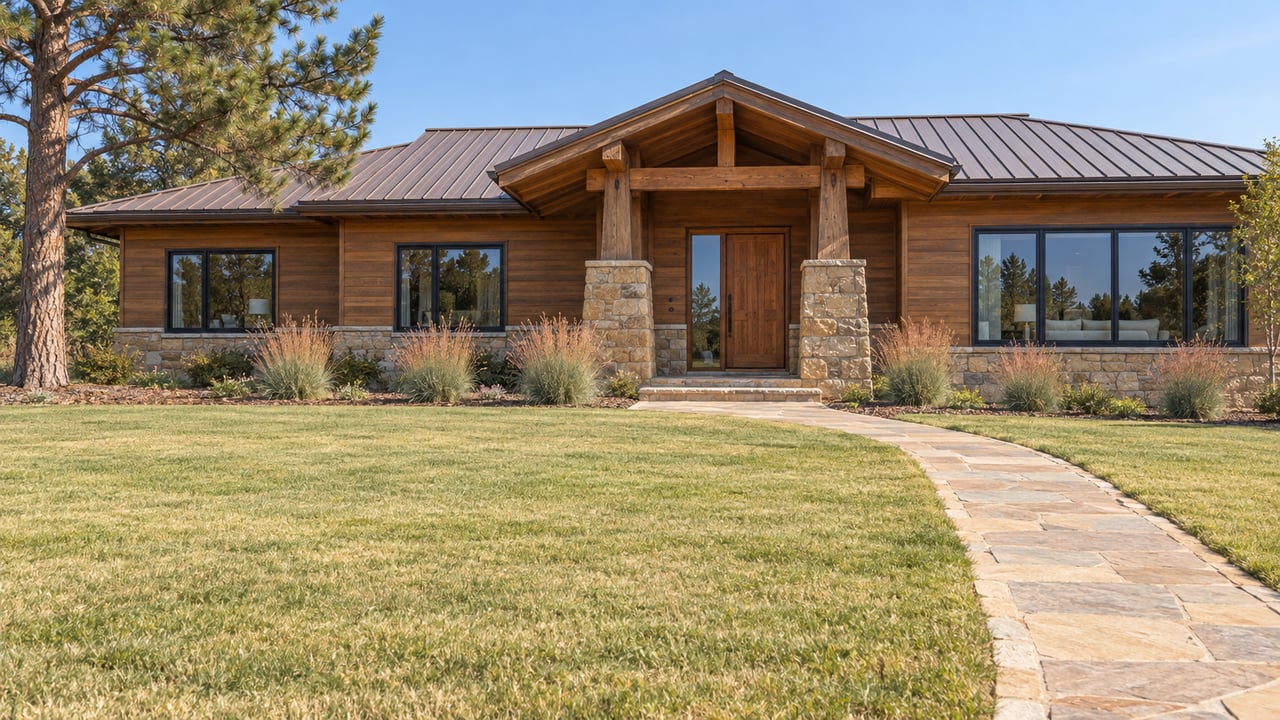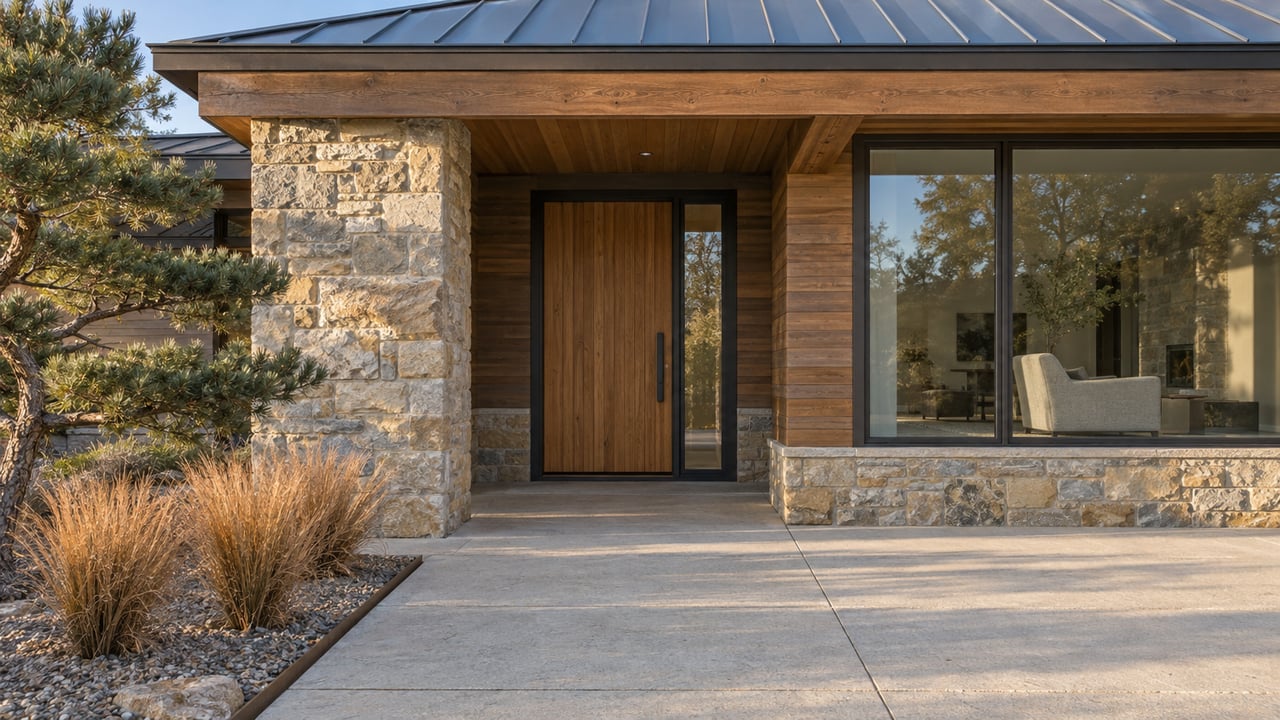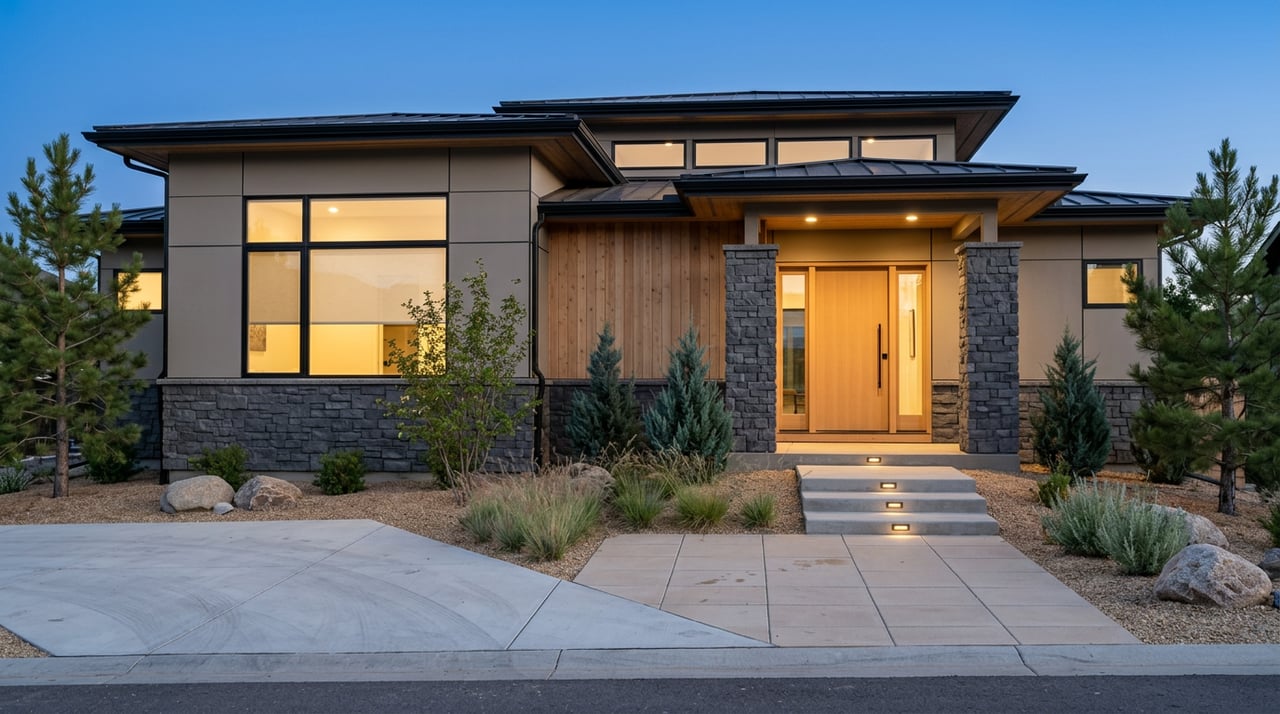
Shopping new construction in Berthoud can feel like comparing apples to oranges. Floor plans look similar, yet costs, timelines, and monthly fees vary a lot from one neighborhood to the next. If you want mountain views, smart energy features, and a payment that stays within reach, you need a clear way to compare communities side by side. This guide gives you that framework, with local examples, documents to request, and a printable tour checklist so you can choose with confidence. Let’s dive in.
Berthoud new-home snapshot
Berthoud is growing quickly on the northern Front Range. The U.S. Census estimated the town’s population at about 13,648 as of July 1, 2024, reflecting strong in-migration and building activity (Census QuickFacts). That growth shows up in a mix of master-planned neighborhoods and locally built communities.
Here are the active areas many buyers tour today:
- Heron Lakes. A large master plan anchored by TPC Colorado with lakes, golf, and recreation features. Multiple builders operate here, which can broaden your options and price points. Explore the community overview on the Heron Lakes page to see the mix of products and amenities (Heron Lakes overview).
- Vantage. A newer neighborhood within the Berthoud‑Heritage metro district structure. Expect amenity planning and district taxes shown on property tax bills. Ask for current mill levies and HOA dues before you sign.
- The Harvest. A custom-home and large-lot environment that emphasizes space and view potential. Standards and included features vary by builder, so you will want a detailed inclusions sheet for each lot.
- Legacy Park. A multi-phase redevelopment of the Ludlow Farm area. Local reporting notes first homes are planned in the mid-2020s, so you will want to verify phase timing and street or park delivery as you plan your move (Legacy Park timing update).
- PrairieStar and nearby phases. A local, multi-phase area with a range of builders over time. Product types have included single-family and attached options in past phases.
Before tours, check the Town’s Active Projects page to see municipal work that can affect timing and neighborhood functionality, like parks or utility upgrades (Active Town Projects).
What to compare across communities
You will see gorgeous model homes. Use the checks below to look past the staging and understand how each choice affects daily life and long-term costs.
Builder reputation and post-sale support
In Berthoud, some master plans host multiple builders while other neighborhoods rely on one or two local or custom builders. Compare track record and service, not just finishes.
What to ask for:
- References from recent buyers and nearby completed homes you can walk.
- The written warranty, including whether a third-party insurer backs the structural portion. Many builders use a 1‑2‑10 model. Verify exact coverage in writing (typical warranty overview).
- How to file warranty claims and expected response times.
- Any industry associations or programs the builder participates in.
Lot location and orientation
Lot micro-factors change comfort and resale. Compare:
- Sun exposure for winter warmth and summer shade.
- Slope and drainage, soil conditions, and any retaining needs.
- Views and adjacency, especially golf, open space, or future phases.
- Noise and wind exposure, including proximity to I‑25 and county roads.
Documents to request:
- Plat map, grading plan, any geotechnical or soils report, and a phasing map. Then drive the commute at peak times to test noise and traffic.
Standard features vs. upgrades
Base price can mean very different things. Production builders often publish “what’s included” lists, sometimes with energy-efficient appliances or water‑saving fixtures. Custom builders may include fewer finishes in the base price but allow more personalization.
How to protect your budget:
- Get the builder’s written inclusions sheet and allowances for kitchen, lighting, flooring, landscaping, fencing, and window coverings.
- Ask how change orders are priced, when deadlines hit, and what is nonrefundable.
- Put any incentive in writing, including closing cost contributions or design credits.
HOA vs. metro district costs
Several Berthoud neighborhoods include both an HOA and one or more metro districts. The structures are different and show up in different ways on your monthly budget.
Plain-English overview:
- HOA. A private nonprofit that manages amenities, covenants, and community rules. Dues are billed directly and can change by vote and budget.
- Metro district. A public special district that finances and maintains infrastructure. It levies property taxes, often to repay bonds and cover operations. Learn how districts work locally on the Town’s resource page (Berthoud Metro District Information).
Documents to review before you commit:
- HOA. CC&Rs, bylaws, budget, reserve study, rules, and recent meeting minutes.
- Metro district. Service plan, current budget, audited financials, debt schedule or official statements, transparency notice listing current mill levies, and recent minutes. Berthoud‑Heritage Metro District publishes sample budgets and audits online. Use them as a model for what to request in any district (district governing documents).
Red flags:
- Large outstanding bond principal with few lots left to spread the cost.
- Missing budgets or audits, frequent special assessments, or rapidly rising operating levies.
Timelines, contracts, and financing
Delivery dates and contracts vary by product.
- Inventory homes are move‑in ready. Specs are set and timelines are shorter.
- Spec or to‑be‑built homes follow construction timelines that can shift with weather and supply.
What to confirm in writing:
- Deposit schedule and whether funds sit in escrow.
- Milestones and remedies if occupancy slips, plus whether closing is tied to a certificate of occupancy.
- The warranty document and the dispute resolution process.
- Preferred lender rules and whether incentives offset any rate or fee tradeoffs.
Financing pointers:
- Lenders treat construction differently from finished homes. If you are considering FHA or construction‑to‑permanent options, review documentation and timing needs early (FHA construction loan basics).
- If a neighborhood includes attached products like townhomes or condos, ask whether the builder elected into Colorado’s Multifamily Construction Incentive Program under HB25‑1272, which adds set warranties and third‑party inspections for participating projects (HB25‑1272 overview).
Your Berthoud tour checklist
Use this printable framework so you compare apples to apples.
A. Quick data capture
- Community name, developer, and all builder names. Ask whether the builder sells you the lot or the developer keeps ownership during construction.
- Lot ID and plat reference. Request the recorded plat or latest preliminary plat.
- Base price for your plan, the inclusions sheet, and any allowances for finishes.
B. Builder and contract checks
- Warranty in writing. Confirm if a third‑party structural warranty insurer is used and how to file claims. Compare coverage to a standard 1‑2‑10 model (warranty overview).
- Deposits and change orders. Clarify refundability, deadlines, and fees for plan or finish changes.
- Delivery. Verify whether closing requires a certificate of occupancy and how delays are handled.
- Attached units. If touring townhomes or condos, ask whether the project elected into HB25‑1272 and request the recorded notice if applicable (program summary).
C. HOA and metro-district vetting
- HOA. CC&Rs, bylaws, current budget, any reserve study, rules, and recent minutes. Confirm what dues include such as trash, irrigation, or fitness.
- Metro district. Service plan, current budget, audited financials, debt schedule, and the latest transparency notice with current mill levies. The Berthoud‑Heritage site shows the type of documents you should expect to see for any district (sample district documents).
- Responsibility map. Verify who maintains streets, irrigation, streetlights, parks, and pools so you are not paying twice through both dues and taxes.
D. Infrastructure and timing
- Amenities. Are they built now or phased later? What is the realistic timeline for parks, trails, or pools?
- Municipal projects. Check the Town’s Active Projects page for work that could affect access or timing (Active Town Projects).
- Release schedules. Ask when the next lots and phases open and how delays are handled.
E. Daily life and livability
- Orientation. Sun, wind, and shade patterns at your lot.
- Noise. Drive the area at rush hour and on weekends. Note proximity to major roads.
- Future phases. Use the phasing map to anticipate future homes, roads, and view corridors.
Monthly cost math made simple
Comparing monthly carrying costs across neighborhoods is critical. Here is a simple way to do it during tours.
- Step 1. Estimate annual property taxes. Use the most recent tax amount if available. If not, apply the current total mill levy to the assessed value shown by the county assessor. Rough formula: annual tax equals assessed value multiplied by total mills divided by 1,000.
- Step 2. Divide annual taxes by 12 for your monthly figure.
- Step 3. Add monthly HOA dues. Some HOAs bill quarterly or annually. Convert to a monthly number.
- Step 4. Add any metro district operating fees not in the tax bill. Most district costs appear inside property taxes, but confirm with the district’s transparency notice and budget.
- Step 5. Compare totals across your short list. This reveals how two similar homes can have very different monthly costs.
Tip: The Town’s metro district page explains how districts function locally, and district budgets or transparency notices list mill levies by year (Berthoud Metro District Information).
Quick neighborhood snapshots
Use these notes to focus your tours.
- Heron Lakes. Golf and lake lifestyle with multiple builders. Expect a range of product types and prices, plus HOA and metro district layers. Start with the community overview for amenities and builder mix (Heron Lakes overview).
- Vantage. Planned amenities within the Berthoud‑Heritage district framework. Verify current mill levies and any HOA fees to understand the total monthly picture.
- The Harvest. Larger lots and custom options. Review soils, design guidelines, and builder inclusions carefully so your budget matches your vision.
- Legacy Park. A major redevelopment with staged delivery beginning mid‑2020s. Confirm phase timing, street and park buildout, and how early buyers will access amenities (project timing update).
- PrairieStar area. Multi-phase development history with varied products over time. Ask which builders and product types are active in the phase you are touring today.
How a local agent adds value
Builder sales teams work for the builder. You deserve an independent advocate who understands metro districts, construction contracts, and how to win favorable terms. With specialized new-home training and hands-on local experience, a dedicated buyer’s agent helps you:
- Compare communities on facts, not just finishes.
- Negotiate incentives and lock them in writing.
- Coordinate inspections at smart stages, including a final and an 11‑month punch list.
- Verify HOA and district documents so your monthly costs match your plan.
If you want a clear, low-stress path from model tour to move-in, lean on a pro who does this every day.
Ready to compare Berthoud communities the smart way? Bring this checklist on your next tour, then reach out for local guidance tailored to your goals. To discuss your options and next steps, connect with Jane Kraemer for a friendly, no-pressure consult.
FAQs
What should I check first when touring new homes in Berthoud?
- Start with the builder’s warranty and the community’s HOA and metro district documents, then confirm lot orientation and any planned adjacent phases.
How do metro district taxes affect my monthly payment in Berthoud?
- District mill levies are part of your property tax bill, which you divide by 12 to estimate the monthly portion. Review the district budget and transparency notice for current mills.
Are all Berthoud communities in both an HOA and a metro district?
- No. Structures vary by neighborhood. Ask for HOA governing docs and the district service plan to see which entities manage amenities and infrastructure.
What contract terms are most important on a new build?
- Milestone dates, remedies for delays, deposit refund rules, change-order pricing, warranty coverage, and whether closing is tied to a certificate of occupancy.
How can I compare standard features across builders?
- Request each builder’s inclusions sheet and allowances, then line them up item by item for kitchen, flooring, lighting, landscaping, fencing, and window coverings.
Does Colorado’s HB25‑1272 law change anything for Berthoud townhomes or condos?
- It can. If a builder elects into the program, attached units receive defined warranties and third‑party inspections, and pre‑litigation steps are more structured.