Thinking about trading city sidewalks for big skies and mountain views? If you are moving from Denver or Boulder, Erie delivers a quieter pace with newer housing, growing amenities, and quick access to the entire Front Range. You want to know what will actually change day to day, from commute times and housing styles to parks, schools, and medical care. This guide breaks it down, with a simple checklist to help you plan your move with confidence. Let’s dive in.
Erie at a glance
Erie is one of the Front Range’s fastest-growing towns. The Town of Erie estimates the population at about 40,183, while the U.S. Census Bureau places it near 38,594, and both sources show rapid growth and strong recent permitting activity. You can see those baseline figures in the town’s Community Profile and the Census QuickFacts page.
- Town snapshot and amenities can be found in the Town of Erie Community Profile. Town of Erie Community Profile
- Census baseline data and commute time reference are here. U.S. Census QuickFacts for Erie
- Local reporting highlights recent growth milestones. Boulder Weekly coverage of Erie’s growth
Commute and transportation
Driving access
Erie sits between Denver and Boulder with straightforward connections to I‑25, CO‑7, CO‑52, and US‑287, so most people drive for work and errands. The Census reports a mean commute time of about 25.6 minutes for Erie residents, though your door-to-door time will vary by start point and rush hour. Many commuters to downtown Denver or Boulder see 25 to 45 minutes depending on the route and time of day. It is smart to test your specific commute with a live map during peak hours.
Transit outlook
Erie has pursued annexation into the RTD service area and is exploring expanded bus and microtransit options. Planning materials reference route additions and park-and-ride concepts, but there is no rail service from Erie today. Check current town and RTD updates if you plan to use transit for daily commuting. Erie Legistar summary of RTD annexation
Homes and lots
What you will see
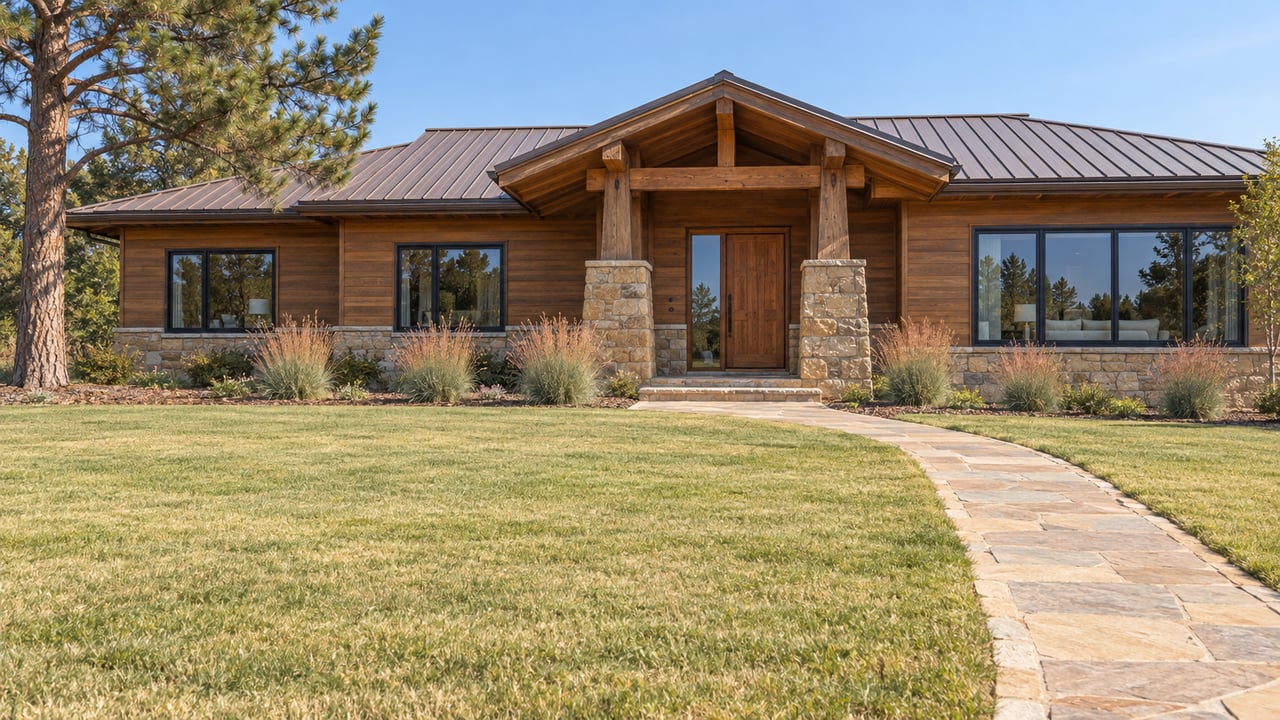
Erie’s housing skews newer, with many master-planned neighborhoods and a high share of single-family homes. You will also find townhome pockets and attached options, plus older farm or ranch properties at the edges. This variety lets you choose between suburban conveniences or a more rural feel depending on location.
Lot size expectations
Many recent subdivisions offer lots in the roughly 5,000 to 8,000 square foot range, often with HOA amenities like trails and neighborhood parks. On the Weld County side, you can find larger parcels and occasional multi-acre properties. Lifestyle can differ across the county line, so confirm utility types, easements, and any agricultural considerations before you buy. Local reporting notes those differences as Erie grows. KUNC on growth rankings and lifestyle differences
New construction and costs
Active building in 2023–2024 added more new-home options than you will see in many city neighborhoods. That can mean more choice on floor plans and finishes, along with builder incentives at times. Be sure to factor in HOA dues and any metro-district taxes, which can raise your total monthly carrying costs. Town budget and permitting updates reflect the strong pace of residential activity. Town permitting update
What homes cost
Census QuickFacts lists the median value of owner-occupied housing in Erie at about $736,500. Recent market snapshots commonly show typical home values in the $700k to $790k range, though numbers vary by source and date. Your price will depend on neighborhood, home age, finishes, lot size, and whether you are competing for a turnkey listing or customizing new construction. For the most accurate view, ask your agent for neighborhood-level comps and projected monthly costs. Census baseline
Lifestyle and parks
Old Town Erie serves as a small-town center with coffee shops, breweries, and a lively event calendar that includes a farmers market, seasonal parades, and concerts. The town is also investing in new retail centers as neighborhoods build out. Erie emphasizes outdoor access, with about 70 miles of trails and roughly 1,500 acres of parks and open space, which many residents enjoy for biking, dog walking, and daily runs. These amenities are a common reason city movers choose Erie. Old Town events and activation
Schools and healthcare
Schools and boundaries
Most Erie addresses are served by St. Vrain Valley Schools, with some areas assigned to Boulder Valley depending on the parcel. Ratings vary by campus and can change over time, so verify your assigned schools using the district boundary maps. Confirming boundaries early helps you compare neighborhoods with confidence. St. Vrain Valley Schools
Healthcare and daily needs
For everyday care, you will find primary and urgent care in town, including services at the Erie Medical Center. For inpatient or specialty care, residents often use hospitals in nearby Longmont and Boulder. Groceries, home improvement, and daily errands increasingly stay local as new centers open, reducing the need for longer trips. Erie medical services overview
Relocation checklist
Use this quick list to confirm the details that matter most to you:
- Test your commute to your exact work address during typical rush hour. The townwide mean is about 25.6 minutes, but your route may differ. Census commute data
- Verify school assignment by parcel through the district boundary maps. St. Vrain Valley Schools
- Review HOA rules, metro-district bonds, and your total property tax mill levy. The town publishes mill-levy context in its Community Profile. Town of Erie Community Profile
- Check property-specific items like wells, septic, water rights, or oil and gas easements, especially on Weld County parcels. Local growth context
- Confirm utilities and broadband options at the address level. Census data shows high broadband adoption, but service varies by provider. Census baseline
- Map your medical plan for urgent and specialty care, including nearby Longmont hospitals. Erie medical services overview
Is Erie right for you?
If you want newer homes, access to trails and open space, and a small-town center within easy reach of Denver and Boulder, Erie deserves a close look. The tradeoff is that most daily travel is by car and your exact commute will hinge on location and timing. With the right due diligence, you can match a neighborhood, lot, and budget that fit the way you live.
When you are ready to compare neighborhoods, new construction options, and true monthly costs, reach out to Jane Kraemer for one-on-one guidance and local comps. Schedule your Free Market Consultation and move forward with clarity.
FAQs
How long is the commute to downtown Denver or Boulder from Erie?
- Many residents see 25 to 45 minutes depending on start point, route, and rush hour. The Census reports a townwide mean of about 25.6 minutes.
What lot sizes are typical in Erie neighborhoods?
- Recent subdivisions often offer lots around 5,000 to 8,000 square feet, while some Weld County areas include larger parcels and occasional multi-acre options.
How do Erie home prices compare with Denver or Boulder?
- The Census lists a median owner-occupied value near $736,500, and recent market snapshots often place typical Erie homes in the $700k to $790k range depending on timing and location.
Which school district serves my address in Erie?
- Most addresses feed into St. Vrain Valley Schools, with some in Boulder Valley. Always verify your assigned schools using current district boundary maps.
Is transit a realistic daily commute option in Erie?
- Driving is still the primary mode. Erie is pursuing RTD annexation and incremental bus service improvements, but there is no rail service from Erie today.